


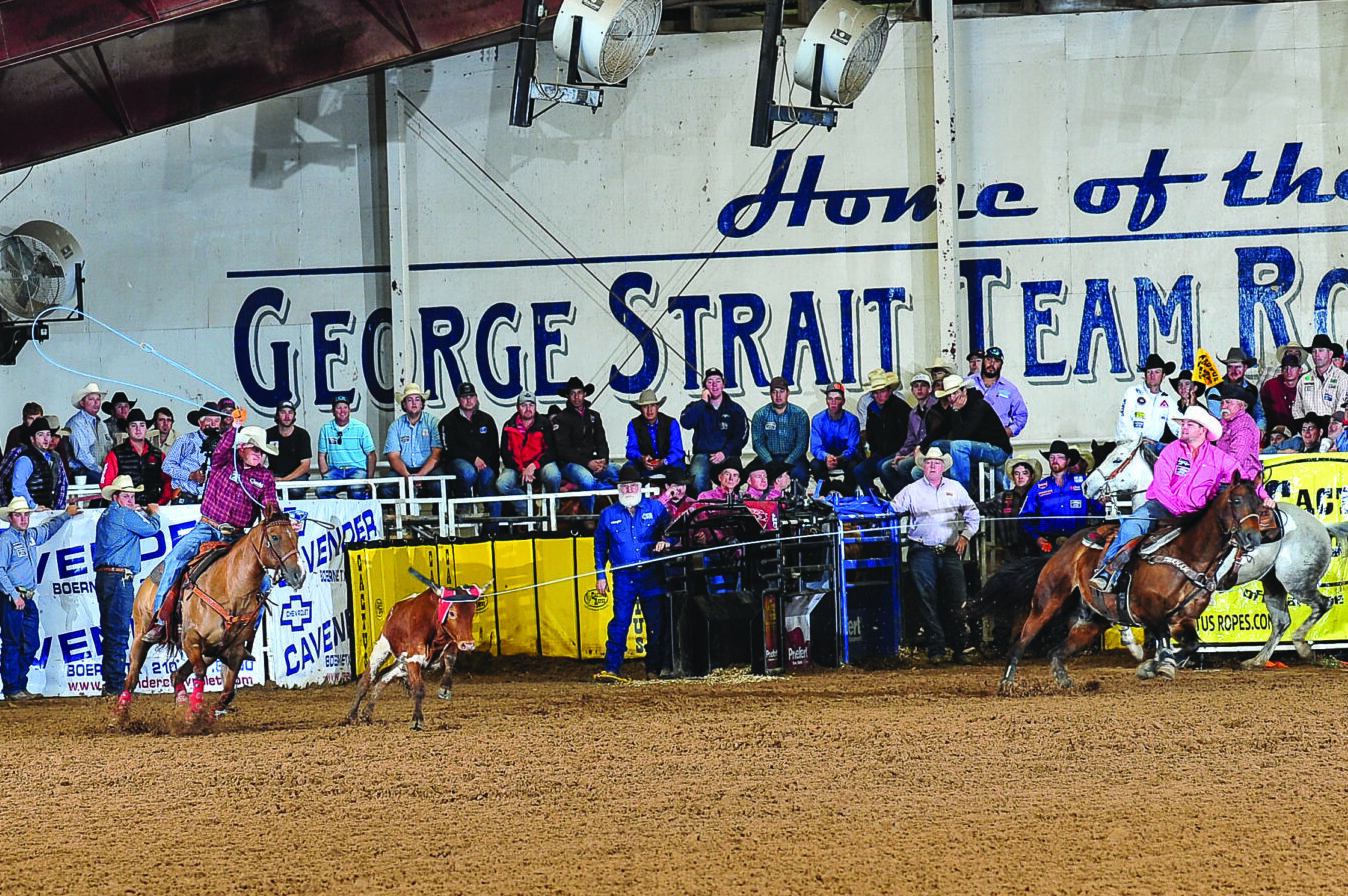
In 2016, Dustin Egusquiza didn’t look like a National Finals Rodeo regular—he looked like a kid trying to make it work.
He was 20 years old, living in Florida, splitting his time between two day jobs—working at a sale barn a couple days a week and riding colts for another trainer. He didn’t have a barn full of horsepower or a steady rodeo schedule. He had one head horse, one heel horse, and just enough saved to take a shot when it made sense.
Getting to the 2016 George Strait Team Roping Classic almost didn’t happen. His truck broke down before the trip, and he had to borrow one just to make the drive to Texas. He and a buddy loaded up and went anyway, the same way a lot of young ropers do—hoping to compete, not expecting to win.
A year earlier, he’d entered the roping for the first time and left empty-handed. But the setup stuck with him. The pace fit what he knew from the small rodeo setups in Florida and up and down the East Coast at the IPRA rodeos. The format rewarded aggression. It was the kind of roping where, if things went right, a young guy could actually get in the mix.
So he came back with a simple plan: take his chances and see what happened.
It was enter three times, so Egusquiza roped with some fellow Southeastern regulars—Kyle Lawrence, Caleb Anderson and Brad Culpepper—and put together one of those weekends that’s hard to explain after the fact. Ten steers in a row without a mistake.
“It felt easy,” he said. “Like everything was working.”
Culpepper offered a piece of advice that shaped the rest of the weekend: win the first round, and everything gets easier. Egusquiza took that to heart. He came back the next morning focused on doing exactly that, knowing he had two chances to make it happen.
With Lawrence, he capitalized. They stopped the clock at 4-flat and won the round, picking up $10,000 apiece and, more importantly, putting themselves in position. From there, the momentum built. Solid second-round runs—both in the 5-second range—kept them near the top of the leaderboard and set up a legitimate shot in the short round.
Right before the final 25 teams in the short round, Egusquiza’s horse pulled back and broke his reins—something the horse had never done before. When he went to get on, the horse was gone. Someone found it, got him re-rigged with another set of reins out of his trailer, and he made it back to the box in time. It was the kind of disruption that could rattle a veteran, much less a 20-year-old in the biggest moment of his career.
In a strange way, it may have helped. It forced him to focus on something immediate instead of the pressure building around him.
He still had two chances at the title, and he went first with Anderson. They were fast enough to win it—3.8 in the short round—but Egusquiza broke the barrier. It was a costly mistake, and one he still thinks about.
“That was a once-in-a-lifetime chance,” he said. “I still feel bad about that.”
There wasn’t time to dwell on it. He had to come right back with Lawrence, now with everything riding on a single run against some of the best teams in the world, including Clay Tryan and Jade Corkill.
Second place was within reach. A safe run likely would have held.
But Egusquiza didn’t approach it that way.
“I always go for first,” he said.
They were 4.2 in the short round, edging the field by two-tenths in the average and securing the biggest win of his young career. The payout—more than $120,000 per man, plus trucks and trailers—was life-changing.
“It gave me the opportunity to do what I’m doing now,” Egusquiza said. “I don’t know where I’d be if I didn’t win it.”
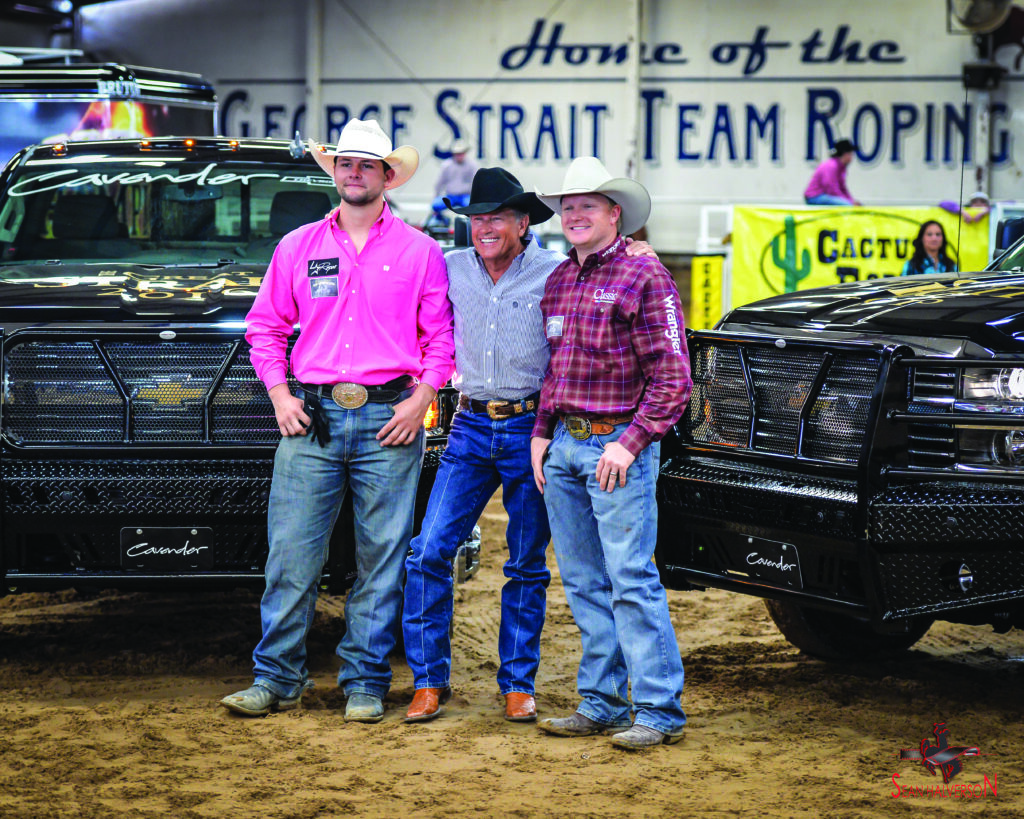
That opportunity showed up almost immediately. After the win, Culpepper asked if he wanted to go to California and see how things went on the rodeo trail. Egusquiza didn’t even have his PRCA card yet, but he went anyway. He won $10,000 on his permit out West, and on the drive home made a decision that defined the next decade of his life.
He stopped in Stephenville, Texas.
And he stayed.
From there, the trajectory started to take shape. He bought his PRCA card and went rodeoing. He won his first rodeo with Clint Summers in Huntsville, Texas, and finished the year 17th in the world despite starting late. That result told him what the GSTRC win had only hinted at—that he could compete at that level over a full season.
Within a year, he was in the winter rodeos. By December 2017, he was at the Finals with Kory Koontz.
Today, Egusquiza is a $1.7 million header and an eight-time qualifier for the National Finals Rodeo. He’s no longer the unknown name in the draw.
Looking back, the 2016 George Strait win wasn’t a finished product or a fluke. It was a pivot point. Not because it proved anything definitively, but because it removed the biggest barrier most young ropers face—running out of money before they run out of ability.
Without that win, there’s a real chance Egusquiza would have gone back to Florida, kept working and pieced together opportunities when he could. With it, he had the financial cushion to stay in Texas, enter consistently and figure out how to win at the highest level.
—TRJ—
READ: A Recruiter Mistake Led Chris Taylor to the Army—and Team Roping