


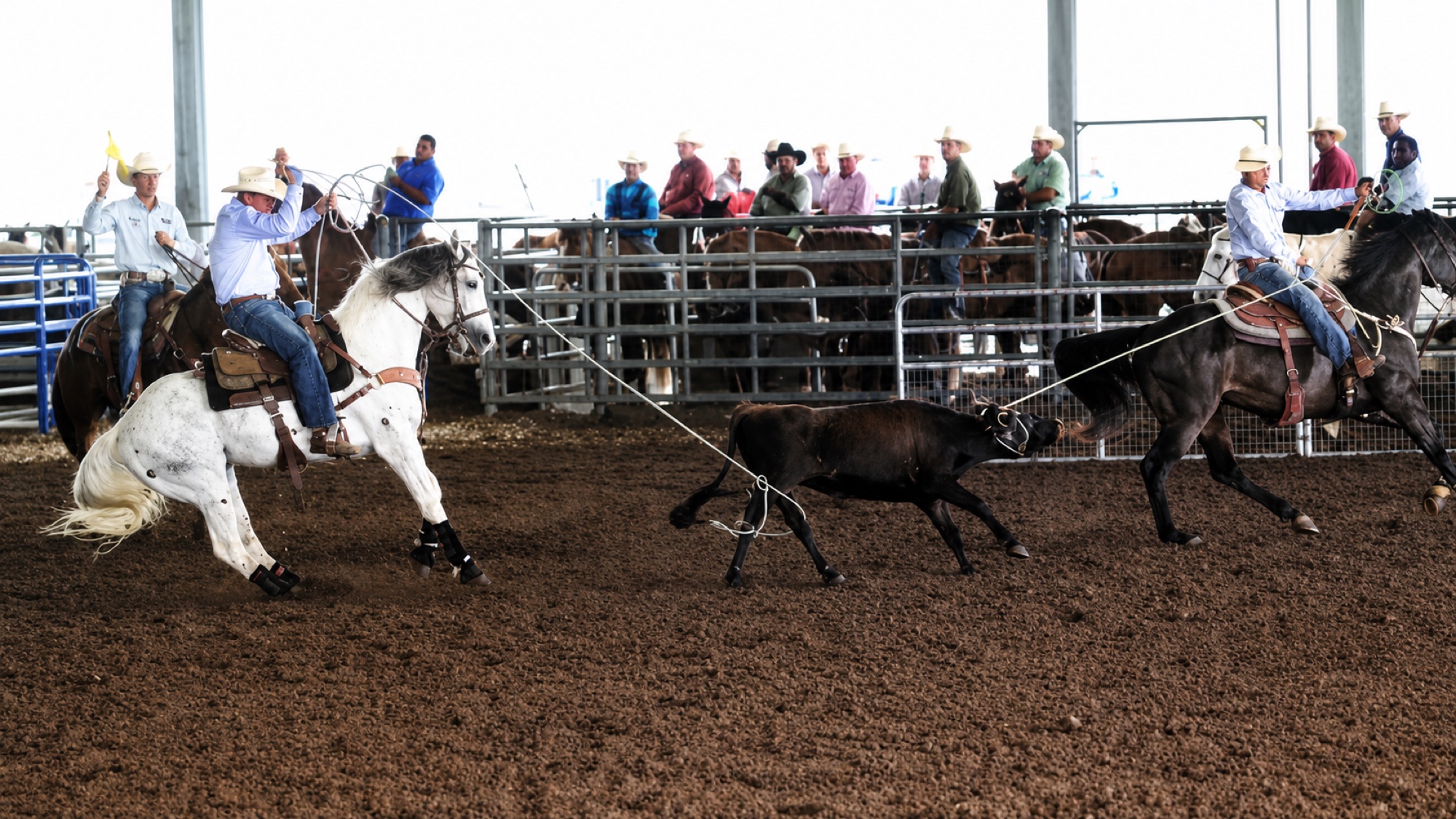
Getting your hand caught in a dally isn’t usually a good thing, but in John McCarthy’s case, it was.
The man who spent six years serving his country—including during Desert Storm—was inspired to improve the grabbing ability of dally rubber.
“My goal was to serve a few tours and go back to Montana and be a schoolteacher,” he said. “I never guessed I’d be here.”
From Montana Ranch Kid to Desert Storm Medic
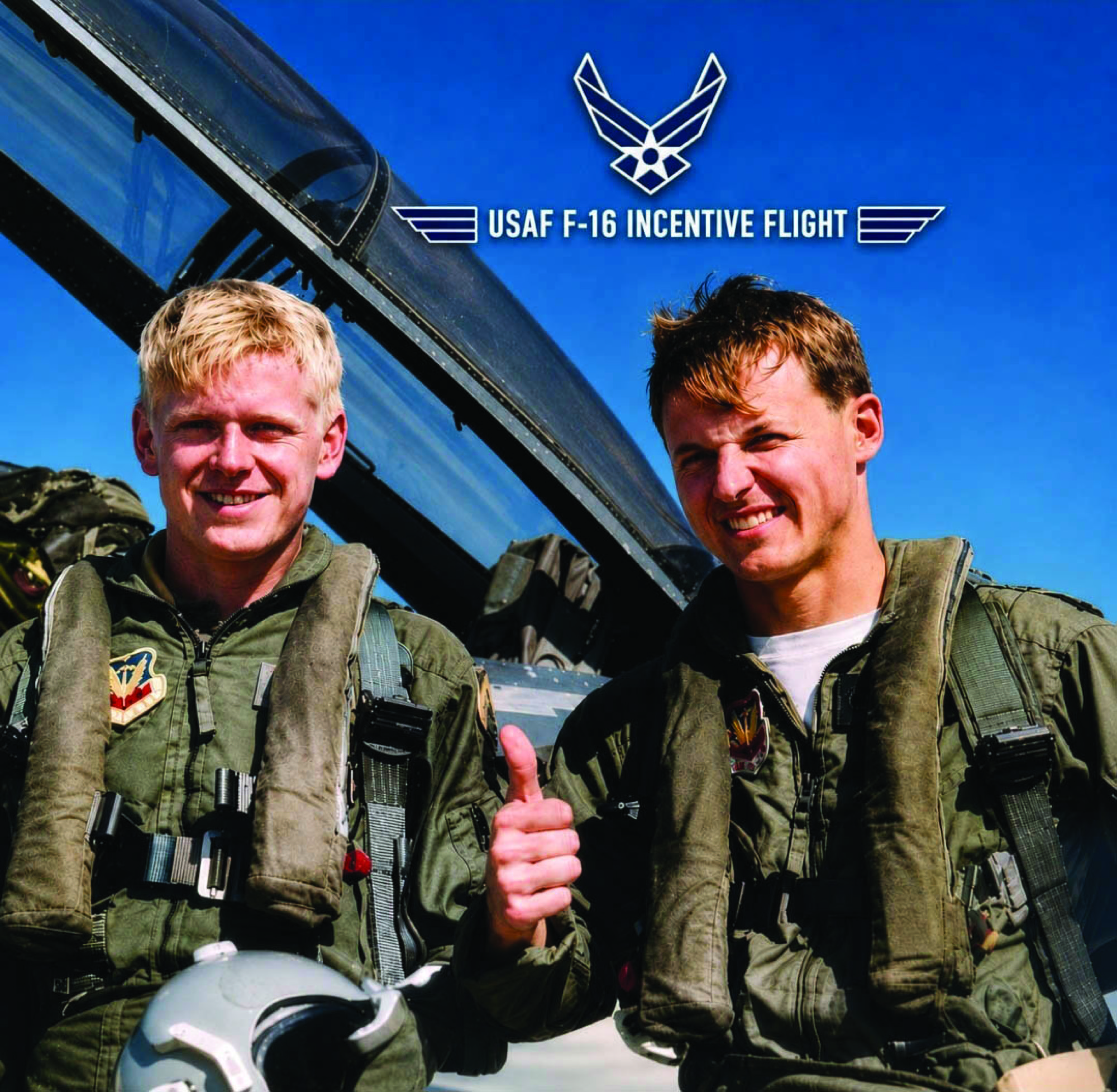
McCarthy, now living in Texas, grew up near Billings chasing his grandpa’s calves around the corral with a rope. Intrigued by his Army neighbor and an uncle in the Air Force, John enlisted and became an Air Force medic in 1989.
“In 1990, Kuwait was invaded on a Tuesday and by Thursday, I was headed to the Middle East,” recalled McCarthy, who was based near Riyadh, Saudi Arabia, and ran triage near the front lines.
Later, he worked in the military intelligence community, which he said was “a really cool job” that made him feel like he was making a difference. But a back injury hurt McCarthy’s deployability. In 1995, he retired from the military and launched his photography and videography business, Team Exclusive.
“My work was on the cover of Bride magazine a couple of times,” he recalled. “I shot more than 700 big events and did commercial photo shoots.”
The Accident That Sparked an Idea
In the meantime, his horseshoer invited him to learn to team rope. Then McCarthy met Wrangler kingpin Robert Lever and began roping with that group every week. But fate struck.
“I was roping one night and my rope ran hard and sucked my hand into my dally,” he said. “It bloodied the backs of my fingers and I thought, ‘How would I take pictures with my fingers cut off?’”
That’s when McCarthy began testing polymers to make dallying safer. He founded RopeSmart and patented dally wraps that don’t roll, spin or burn into your rope. As he worked to improve his own roping, he realized the sport’s best ropers weren’t always its best teachers.
“I was already in the video industry, so I studied videos of the top headers and heelers,” he explained. “I started designing a training system to force their same habits on the ground, so people could learn them and transfer to doing that on horseback.”
Building Better Training Tools for Team Ropers
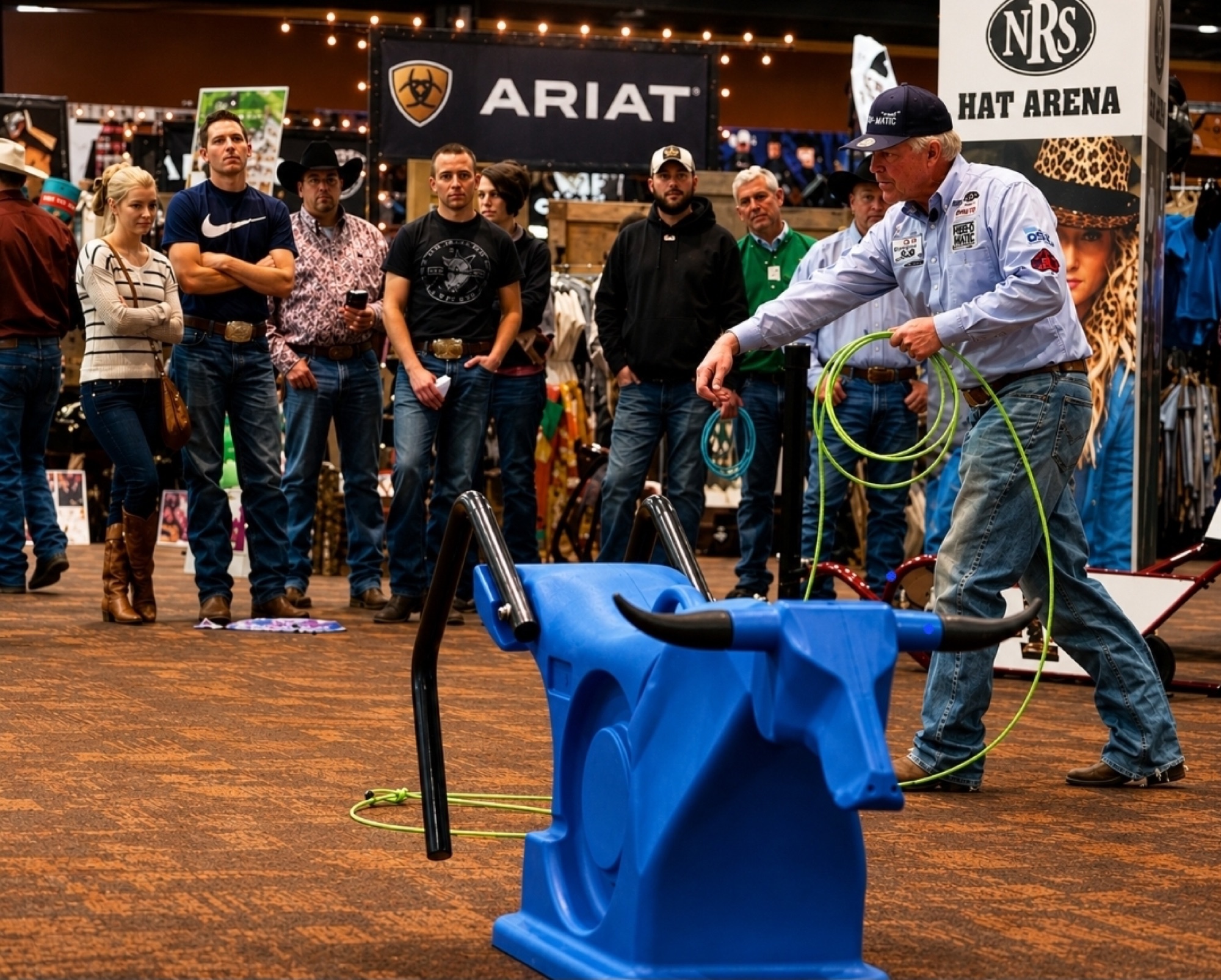
Today, RopeSmart offers training sleds with adjustable head heights and horn lengths that emulate a steer in the corner, with a wide leg set and realistic switch and hop. Removable blocker rods guide ropers into the correct swing angles and pro-style deliveries.
“I think some training systems are too simple to catch and give you a false confidence,” McCarthy said. “Ours is not about false confidence, it’s about fundamentals.”
Plus, after McCarthy watched a heeler lose out on a six-figure Finale payday due to a quick-release malfunction, he developed RopeSmart’s Hock Lock. It can’t be randomly triggered, but is easy to release and lets you adjust the length of your heel rope without having to cut a new rope. RopeSmart also offers saddles, sport boots, horn wraps and rope bags.
Serving Those Who Served
A longtime youth mentor, McCarthy signed Denton Dunning to the RopeSmart team as a kid, and for years has sponsored annual dummy ropings during the World Series Finale and Art of the Cowgirl. He and his wife Rebecca and the three youngest of his five kids have a cattle ranch in Alpine, Texas, and rope all summer out of their place north of Billings, Montana.
Meanwhile, RopeSmart headquarters remains in the San Antonio suburb of Von Ormy, where McCarthy offers military discounts, sponsors military rodeos and supports veterans any way he can—including shipping dummies to deployed service members all over the world.
“These guys and gals have given so much,” said McCarthy. “Nothing I’ll do is enough to thank the men and women of this country who protect us and allow us to have the lifestyle we have.”
But helping them rope is a great place to start. McCarthy says there’s just something therapeutic about team roping. Plus, for veterans, it’s about the camaraderie.
“When we get out of the military, we lose that brotherhood of like-minded people,” he said. “But in team roping, we have something like that. We’re nonstop pushing forward, wanting to rope better. There’s always something bigger and better to go after.”
For McCarthy, that was reason enough to keep trying to make things better.
—TRJ—
Thank you to Equinety for helping us share stories of military members, veterans and first responders in the team roping community.