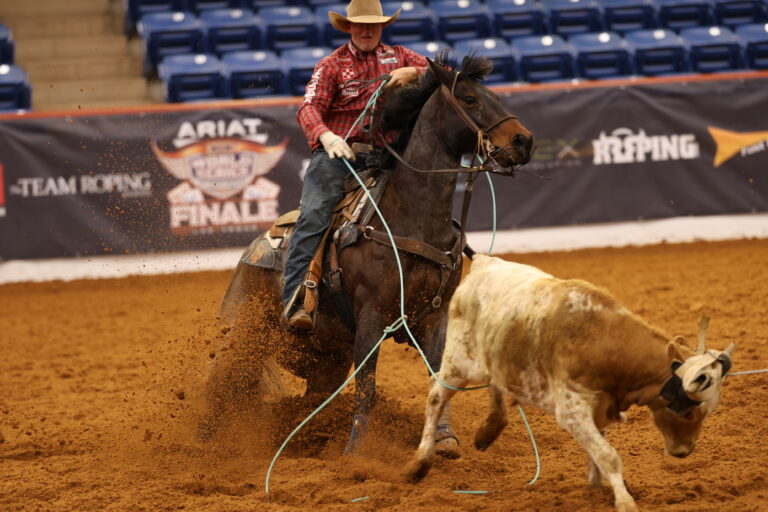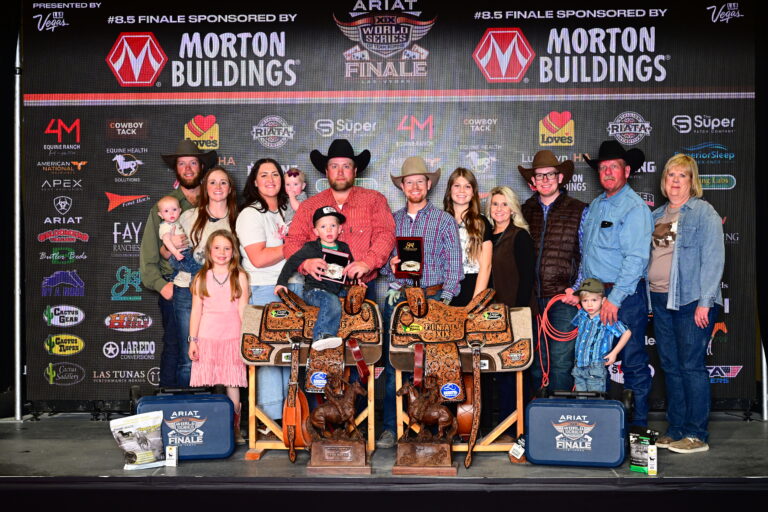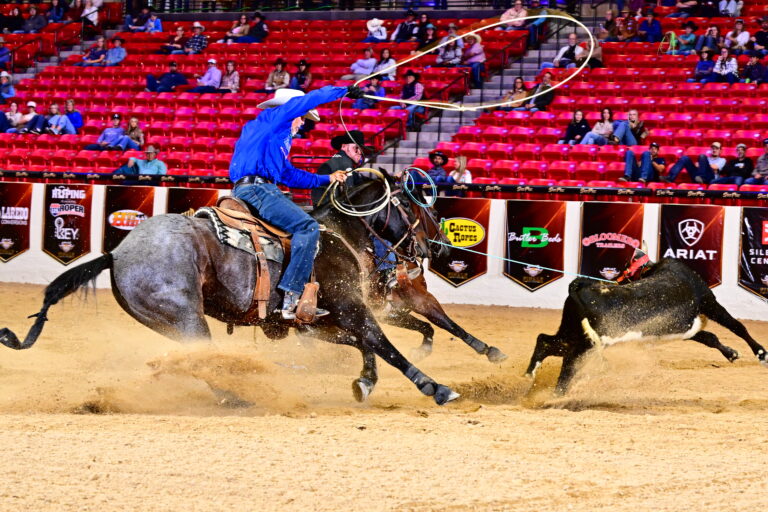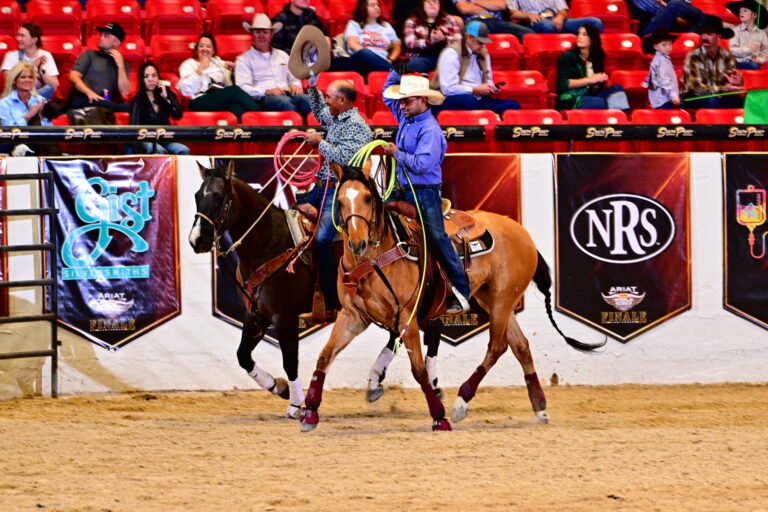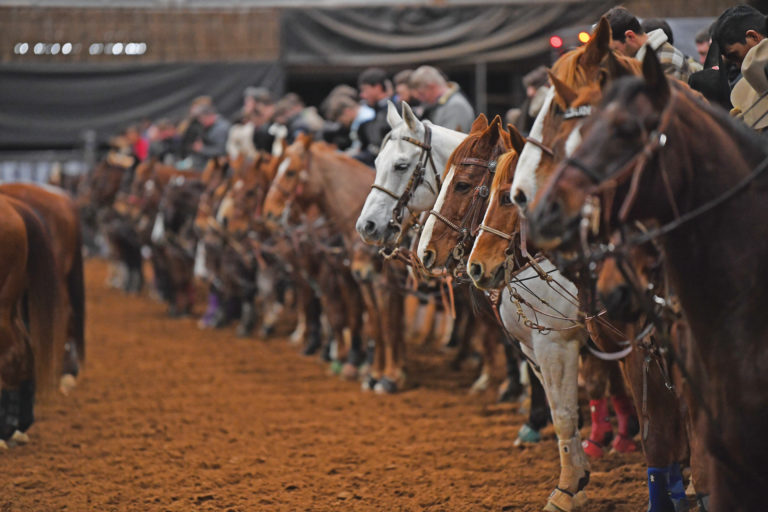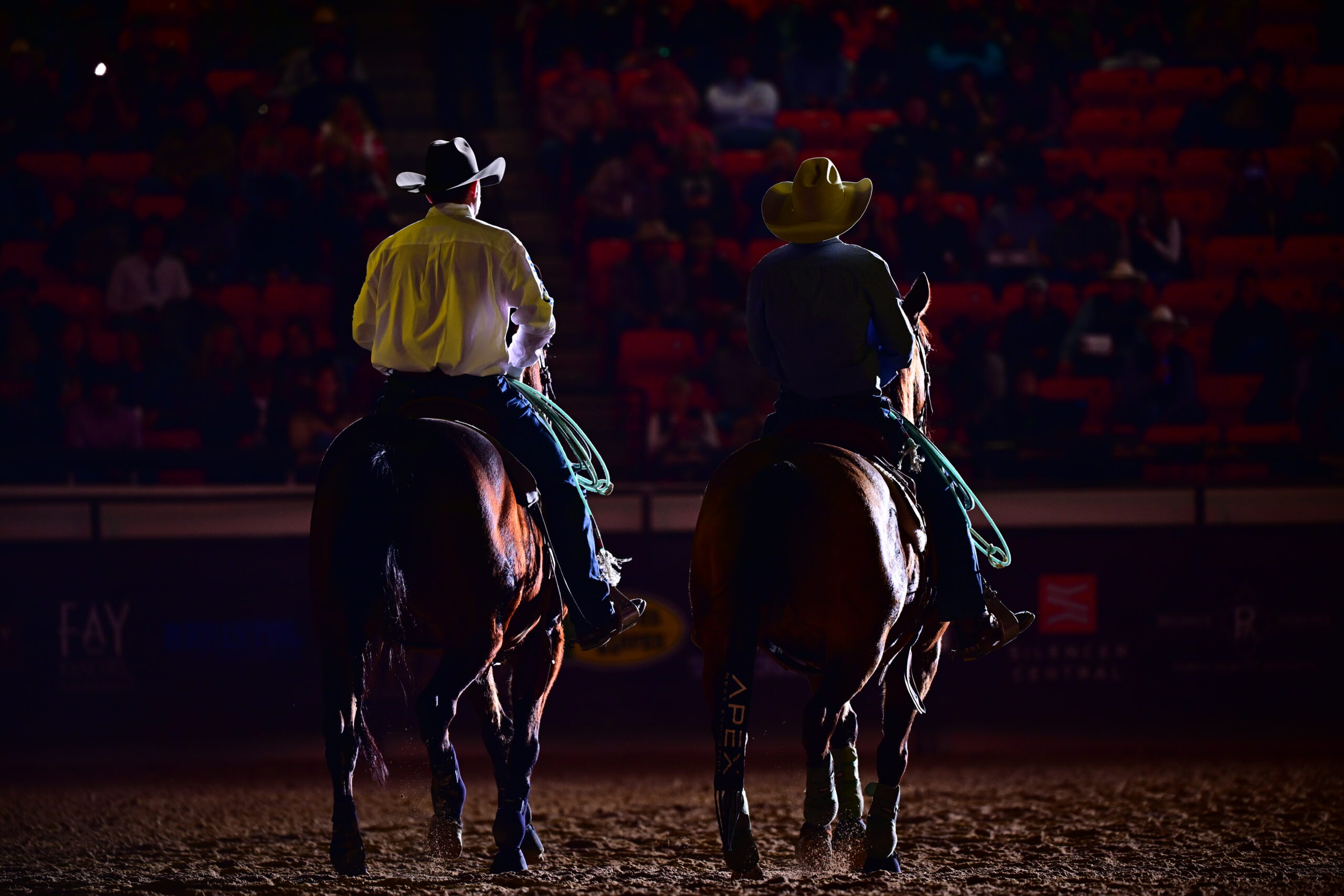
The Ariat World Series of Team Roping Finale at the South Point Hotel & Casino in Las Vegas is moving forward as planned, as state animal health officials monitor confirmed cases of neurologic equine herpesvirus (EHV-1) linked to recent events in Texas and Oklahoma and tighten biosecurity protocols ahead of the winter event season.
There are no state or federal restrictions at this time that would prevent the Finale from taking place at South Point in Las Vegas. That update follows a Nov. 19 multi-state animal health call, where officials agreed to continue their standard process of tracking, identifying and quarantining exposed horses and affected premises.
According to WSTR, state animal health officials have identified, notified and quarantined all horses that competed at the Texas and Oklahoma events where the outbreak occurred and have placed the premises where those horses now reside under quarantine. Officials are also monitoring local veterinarians for any additional cases and have said they will follow the same protocols should new cases emerge.
“While obtaining this guidance has taken additional time, we are pleased to report that, as of now, there are no restrictions or additional protocols in place that prevent the Ariat World Series of Team Roping from holding its event at the South Point in Las Vegas,” WSTR said in a statement.
There are 16 days remaining until the Dec. 5 start of the WSTR Finale—the richest Western performance event in the industry that paid out some $19.6 million in 2024. State health officials indicated that time window should be adequate for any subsequent cases associated with the recent Texas and Oklahoma events to surface.
“We understand how concerning neurologic EHV-1 is for every horse owner,” WSTR president Ty Yost said. “We are committed to being transparent, to follow veterinary guidance to the letter, and to providing a safe environment without fueling unnecessary panic or disruption. We will not compromise horse welfare, and we will communicate promptly if any recommendations change.”
Nevada updates entry requirements
While there are no confirmed EHV cases in Nevada at this time, the Nevada Department of Agriculture (NDA) is updating entry requirements for horses and urging owners traveling to and from events in the state to step up routine biosecurity.
“Convergence of large numbers of horses at events can increase the risk of disease spread,” Nevada State Veterinarian Dr. Peter Rolfe said. “Horse owners should remain vigilant and take proactive measures to protect their animals during travel and increased animal interaction.”
New Nevada entry measures, in place through Jan. 1, 2026, include:
- Entry permits required for horses entering Nevada.
- A Certificate of Veterinary Inspection (CVI) that includes the statement:
“No animals presented on this CVI have been on a premise with a confirmed case of EHV-1 within the last 21 days.” - USDA-accredited veterinarians must obtain entry permits through the Nevada Department of Agriculture before horses travel into the state.
“We are not stopping movements at this time,” Rolfe said. “We are taking extra precautions to help prevent the spread of animal disease.”
Biosecurity on the road to Vegas
Both WSTR and the NDA are urging horse owners to treat biosecurity as part of their normal show preparation, particularly in the weeks surrounding major events.
EHV and other infectious diseases can be transferred easily through direct contact between horses and indirectly on boots, clothing, hands, buckets, tack and trailers. Officials recommend the following practices for horses traveling to events such as the WSTR Finale:
- Do not share equipment (water buckets, hoses, bits, grooming tools) between horses.
- Take each horse’s temperature twice daily, especially during and after travel or competition.
- Isolate new or returning horses from the main herd and quarantine for at least 21 days before reintegrating them.
- When caring for multiple horses, start chores with healthy horses and end with any sick or recovering horses.
- Clean and disinfect stalls, trailers and equipment thoroughly between horses and trips.
Rolfe also recommends twice-daily temperature checks for 21 days after travel or exposure to events and careful monitoring for signs of disease, including:
- Fever
- Incoordination, stumbling, weakness or inability to stand
- Difficulty urinating or dribbling urine
- Runny nose or coughing
- Reduced appetite
- Enlarged lymph nodes
EHV is a reportable disease in Nevada, and veterinarians are required to notify the NDA when cases are diagnosed. Horse owners who notice signs of illness are urged to contact their local veterinarian immediately.
WSTR’s path forward
WSTR officials emphasized that the health and safety of contestants, horses and the broader equine community remain the top priority as the Finale approaches. The organization will continue to coordinate with state veterinarians, event veterinarians, facility management and industry partners to ensure protocols reflect the most current guidance.
“We will continue to rely on guidance from recognized state veterinary and agricultural experts rather than information circulating on social media,” WSTR’s statement said. “Ultimately, the final decision on risk will fall to individual owners. We will respect and assist anyone that chooses to withdraw.”
WSTR encouraged ropers planning to attend the Ariat World Series of Team Roping Finale to work closely with their veterinarians, stay current on state entry requirements and incorporate strong biosecurity habits into their pre-trip checklist.
The Ariat World Series of Team Roping Finale is scheduled to begin December 5 at the South Point in Las Vegas.