From Early Break-In to Last-Minute Adjustments in a Complicated Year
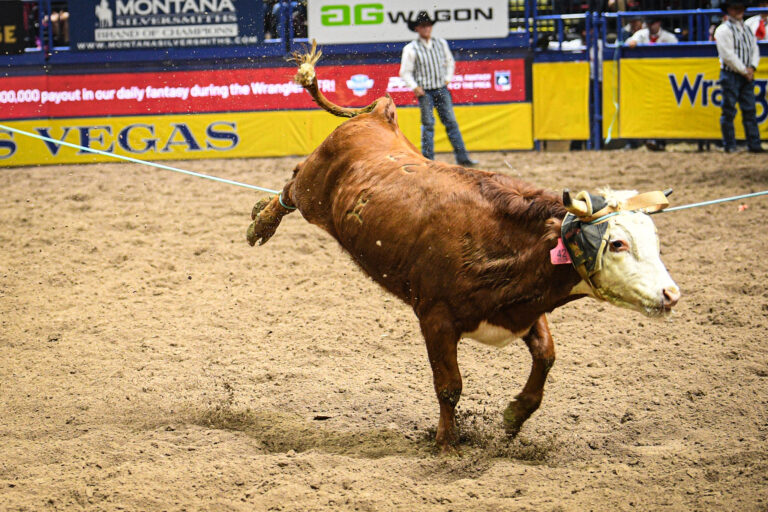
Hill Rodeo Cattle had to build the 2025 NFR steer herd under a border shutdown, a cattle shortage and an EHV-1 outbreak, pushing Bobby Joe Hill to adjust and tighten the way he prepared this year’s set.
What followed was months of problem-solving that started with an early break-in at Kaleb Driggers’ place and ended with a two-day tune-up at Chad Masters’ arena just before the steers left for Las Vegas.
An Early Start and a Strong First Break-In
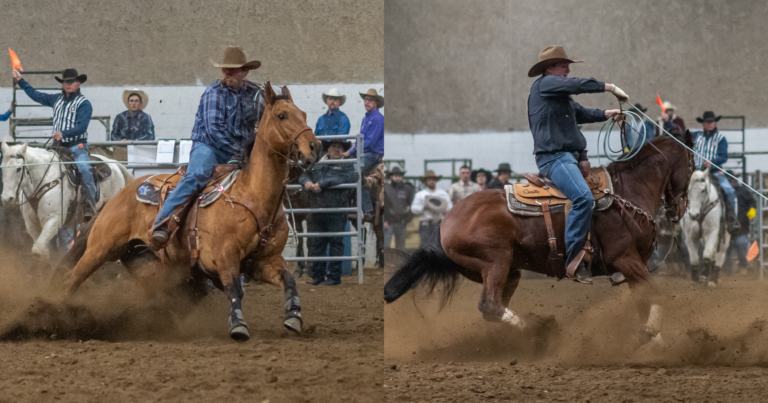
Hill typically assembles the NFR herd slowly through spring and summer. This year the steers were together by May 9, months ahead of schedule. When much of the top 15 came together and ran them through at Driggers’ arena in mid-October, the results surprised everyone.
“We only had about two cuts,” Hill said. “Last year we were already down 10 or 12 the first day.”
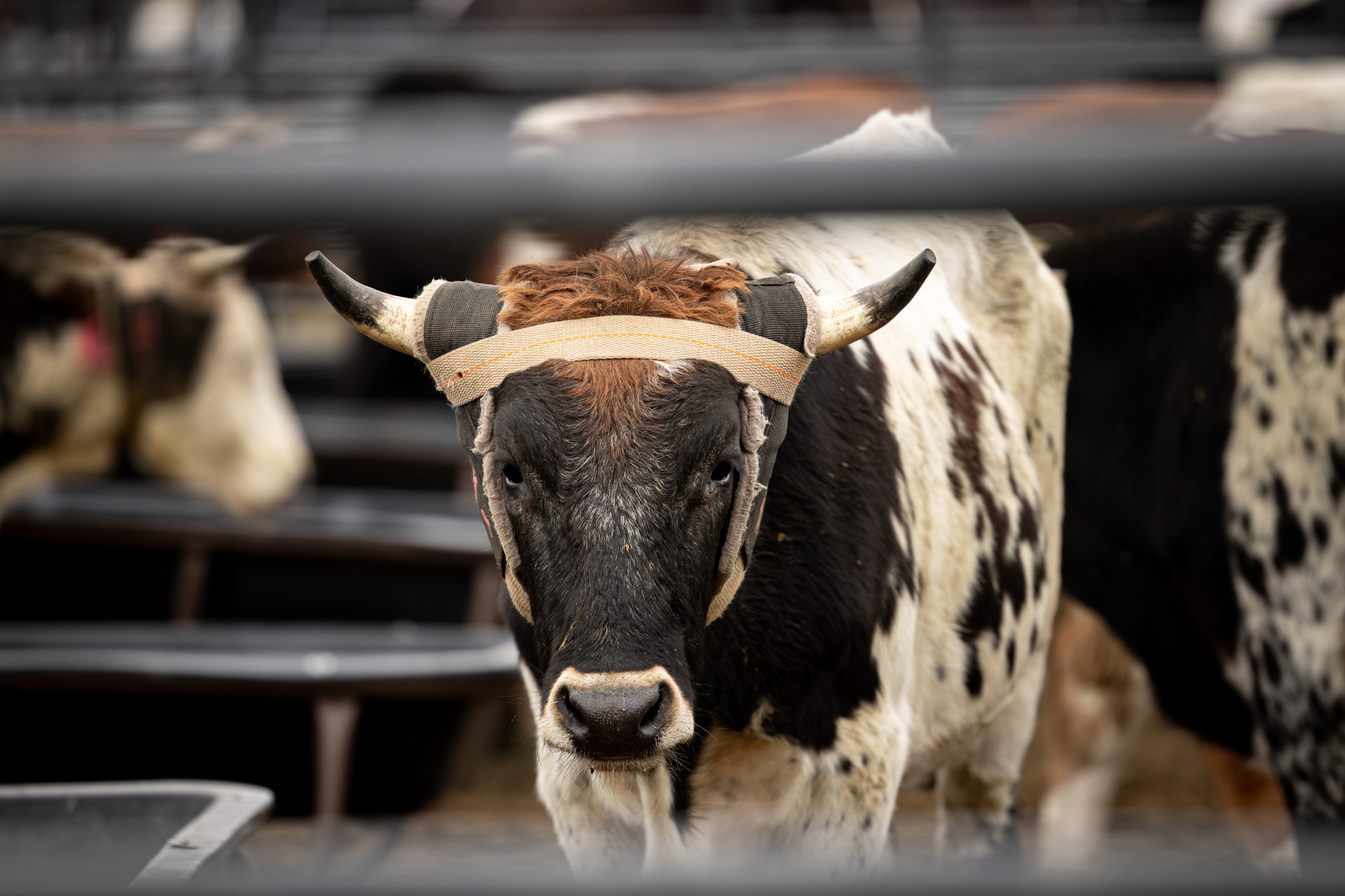
The cattle handled softer. Horn shape, size and build seemed to all match well. Kaleb Driggers—the two-time World Champ and team roping event rep—was happy with them. NFR aggregate champ Clint Summers was too. For a year with limited cattle to choose from, it was one of the most even sets Hill had ever brought.
Because the first day went so smooth, they ran only one steer each day instead of the usual two. If a head shot was missed, the steer came back later. If a heel shot was missed, ropers cleaned it up immediately. The system worked. By the end of the second day, the cattle were on track.
The Border Shutdown That Changed Everything
The clean break-in masked a bigger problem. Mexican cattle, the backbone of NFR team roping, were unavailable thanks to the U.S.’s southern border shut down.
All year Hill held roughly a hundred Mexicans that normally would have gone through jackpots. To fill holes, he bought close to 400 native steers to fulfill his regular rodeo contracts throughout the summer to preserve the M-brands for the NFR.
Officials floated a possible 90-day trial to reopen the border for sport cattle. Nothing happened. Even if it does, the cattle will need TB tests, and the clock on those tests runs out quickly. Herds in Mexico have been sitting too long for the process to be simple.
“They’re turned out at their ranches,” Hill said. “Not stuck at the border like people think. Big horned, big footed. I don’t care how big a Mexican steer is at this point. I just want Mexican steers.”
The EHV-1 Outbreak
Right as the steers were supposed to head to the Jingle Bell Classic in Stephenville for their final polish, an EHV-1 outbreak shut down the roping. No jackpot meant no reps and no chance to see how they handled in traffic.
This forced a major pivot: instead of going to 377, Hill hauled the cattle to Chad Masters’ indoor.
Two Days at Chad’s: The Final Sort
Masters supplied the horsepower at his place to keep everyone’s horses safe from the EHV outbreak.
“Chad has a lot of horses,” Hill said with a laugh. “Some really good ones. Some were transportation.”
Headers and heelers swapped jobs on day one. They swapped again on day two.
Hill hauled 77 steers to Chad’s.
They ran them twice.
Then they made the cuts.
The next day, 63 remained.
By the end of the second day, every steer had been caught. If a run was missed, it was repeated. Hill only had to move two or three in the final shuffle. The group held together better than any year he remembers.
Weight, Size and How They’re Leaving
“They got pretty big,” Hill said. “I’m going to say 500 to 525 lb.”
A couple finer-boned steers may weigh a little under 500, but the herd is consistent. Earlier in the fall, Hill pulled them off feed because they were so fleshy that one steer was hanging in the chute.
Given the travel, shrink and weight requirements in Vegas, this set is right where it needs to be, Hill said.
The Year of the Workaround
Between border issues, limited choices, and the EHV-1 shutdown, Hill had fewer options than ever. Yet he ended up with what he considers one of his best sets.
“With the situation we were in, I kind of like this set more than any set I’ve brought out here,” Hill said. “And probably had the least to choose from.”