


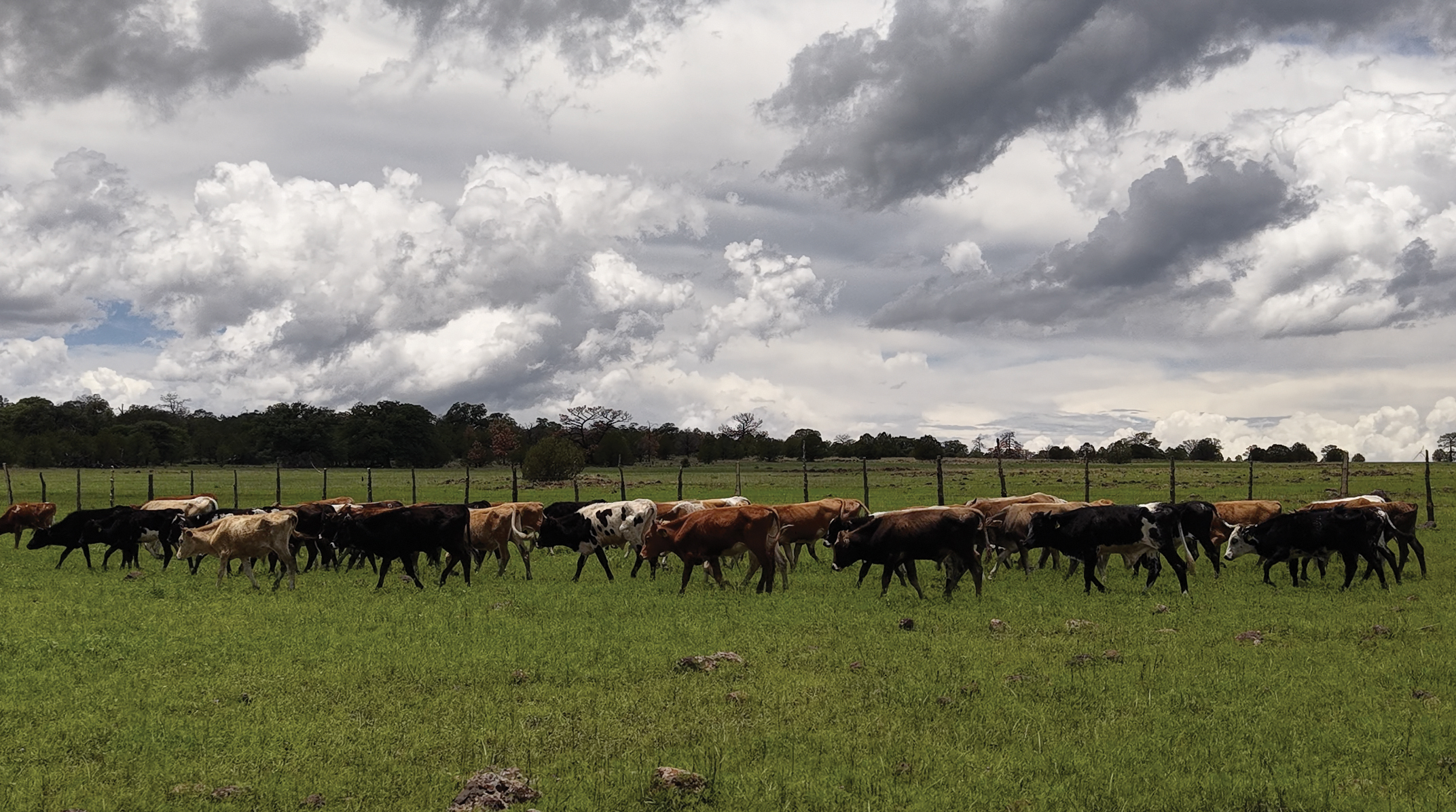
The impact of a closed border between the US and Mexico has hit the team roping industry hard, and the scarcity and cost of roping cattle has hurt every player in our game. Ropers can’t afford practice steers, roping producers are hard-pressed to turn a profit without raising entry fees after paying sky-high cattle charges, and the quality of steers at ropings and rodeos has taken a turn downhill as numbers have plummeted due to the current border closure. Heck, some rodeos have even used the cost and lack of availability of cattle as their reason for format changes that are not considered cowboy friendly.
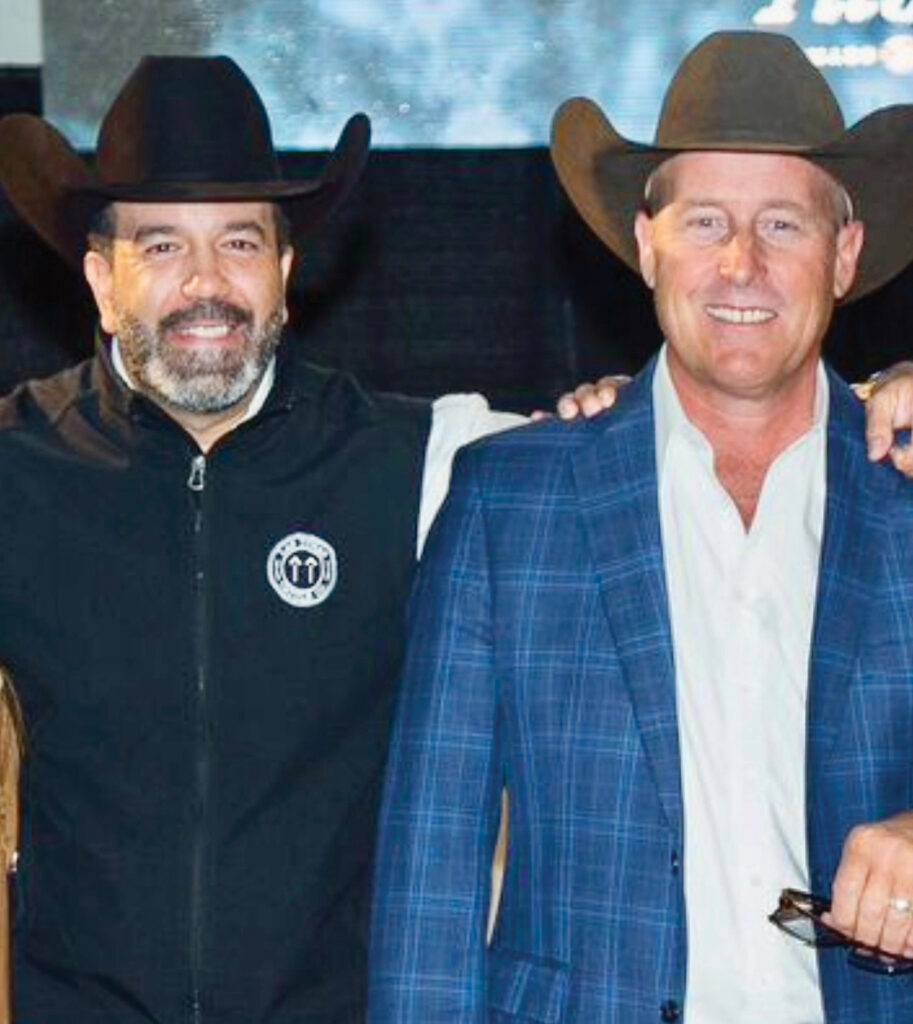
No one has more skin—or heart—in this game than the two-man panel of Miguel Guerrero and Ty Yost. Both are on the front lines, working with all involved in this current border crisis to help bring an end to the shutdown.
The Screwworm Problem
The US-Mexico border, which started experiencing interruptions in late 2024, has been closed to cattle since April 2025 due to an outbreak of the New World Screwworm in Mexico. The US Department of Agriculture closed the border to prevent this flesh-eating parasite, which can be fatal, from crossing into the US.
“It’s a legitimate concern, but it’s not a reason to keep the border closed if we continue to comply with the existing protocols,” said Guerrero, who comes from a family five generations deep in ranching, and has been working closely with government agencies in both countries to resolve the now-contained threat. “The screwworm started in Central America. Mexico was not ground zero. There were not strict protocols in place when crossing cattle on the border between Mexico and Central America, and because of that, the screwworm spread into some of the southern states in Mexico.
“But the northern states of Chihuahua and Sonora have been free from screwworms since this all started. We have had the same economic model for the last hundred years, which is commercialized cattle in the US. We are very strict on sanitary standards in Chihuahua and Sonora, and we work closely with federal institutions in both countries to maintain those strict standards.
“Chihuahua has the best traceability in all of Mexico. Cattle are ear-tagged when they’re born, and we track them very closely. We do not allow cattle from other states to come into Chihuahua right now, because we need to protect our sanitary status. Chihuahua has cooperated in every way. So while concerns are legitimate, because such strict protocols have been followed, there is no good reason to keep the border closed.”
The Cost of Doing Business
Montana native Yost moved to Wickenburg, Arizona, in 2013, and has been a force behind it becoming a team roping capital of the world. He built Rancho Rio with business partner Ty Grantham.
“The last roping cattle crossed that I’m aware of had been at Miguel’s ranch, where every rule and protocol is followed, before they crossed,” Yost said. “There were valid concerns when the border closed. Screwworms cause significant damage. But the United States was officially declared free of indigenous screwworms in 1966.”
Yost remembers the now good old days when he could buy an M-branded steer from Mexico for $700.
“Now they’re priced to me at $1,900-$2,200, and they’re natives (raised in the US), so they aren’t as good to rope as Mexican Corrientes,” he said. “But with the spike in price for lesser quality cattle, I’m being very cautious about reloading roping steers at these exorbitant prices.
“We’ve had this huge rise in roping cattle prices since the border closed. The market’s up 40-50%. Cattle charge is the No. 1 cost of putting on a roping, and we pay per run. Cattle charge has almost doubled in the last year. So it’s very much impacted our bottom line, and the border being closed is very detrimental to the sport. No other equine sport has had the growth team roping has in recent times. Team roping is booming. But when cattle prices go up, we have to raise our entry fees to stay in business.”
A Shrinking Supply of M-Brands
Do the math on Miguel having 2,200 head of fresh steers just sitting there waiting for that border to open. Doesn’t take long to think of ropers and steer wrestlers everywhere daydreaming about running a freshy at the other end of this equation. It’s been a while.
“These steers waiting to cross keep getting bigger,” Guerrero said. “We’re having to sell some of them, as they’re no longer of suitable size for team roping or steer wrestling. Our investment is being damaged by the closed border, and the sport and competition are suffering.”
By definition, that is a lose-lose situation.
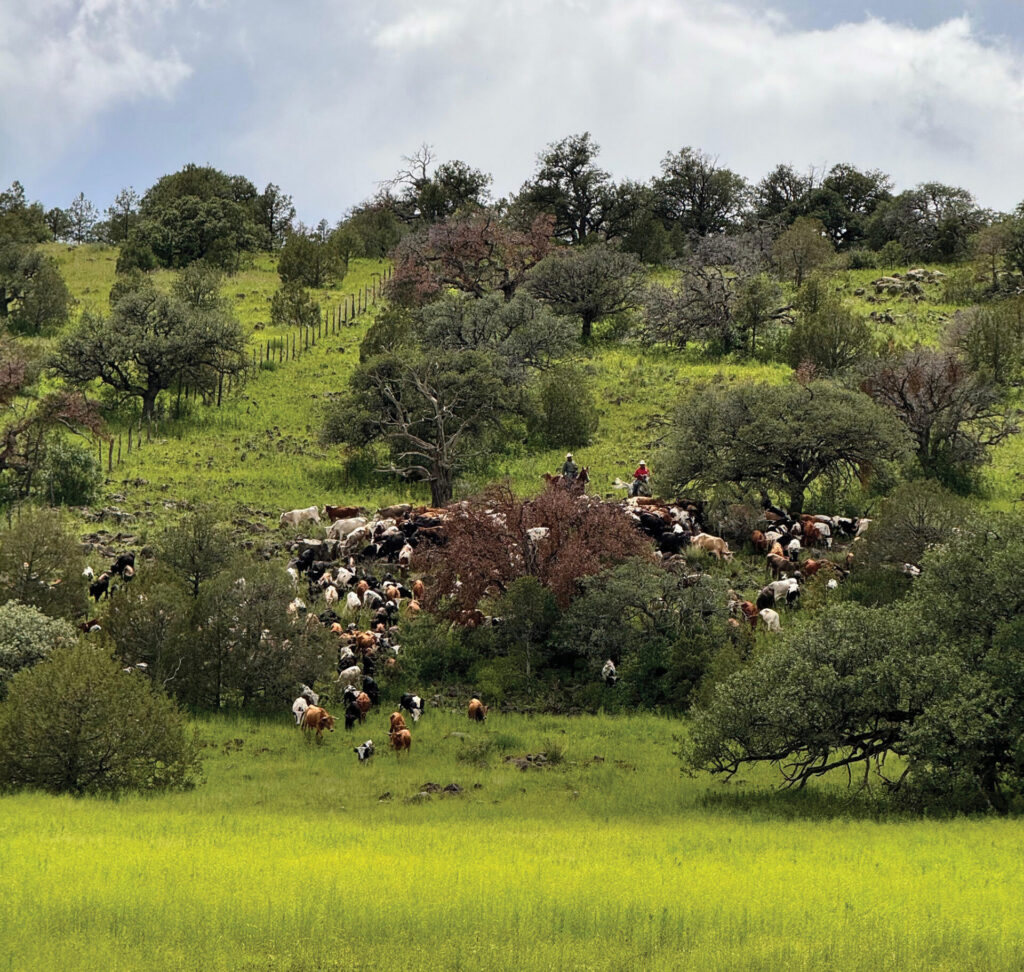
“The last roping cattle to cross before the border closed in April 2025 were used at our Old West Futurity in Heber City, Utah, in June 2025,” Miguel said. “Mexican Corriente cattle have a very particular use in the roping industry. They aren’t bred for beef. They don’t gain like beef cattle do. When we’re forced to use our cattle for consumption, it takes a very long time to get them to the right weight.
“Because the border’s been closed, we’ve had to lean more into the Mexican consumption market. It’s been a struggle, because the state of Chihuahua also just went through the worst drought in decades. During the drought, a lot of the smaller Corriente cattle raisers sold out. These Mexican Corriente cattle are going extinct. So little rain and the border being closed made it very tough on smaller producers in the mountains of Chihuahua.
“The number of Mexican Corriente cattle in existence is way down. We don’t think there are over 15,000 head of steers we can cross right now when the border does open. That’s how dangerous this business is becoming. We need to get these cattle crossed as soon as possible. Otherwise, all the cows, heifers and steers will be sold for consumption. Fewer cattle are being raised, and we can’t get the ones we have crossed. This is a desperate situation.”
Why Ropers Prefer M-Branded Cattle
Guerrero has proven the perfect unifying cowboy diplomat.
“As a cattleman and businessman from Chihuahua (his powerhouse portfolio includes Las Tunas Ranch, Las Tunas Performance Horses, Las Tunas Cattle Co. which includes Black Angus, Old West Las Tunas Corriente Cattle and 500 Novillos Tequila), I’m very involved in the state livestock association and other organizations,” he said. “I am a roper myself, and I am concerned for our industry. We need the right cattle to rope at the best events in the world, and cattle raised in Mexico are different.
“Native cattle raised in the US aren’t as resilient as M-branded cattle raised in Mexico, and they can be tricky to rope. They’re more likely to drag and cheat, and become inconsistent and difficult to rope. They’re not survivors, like the Mexican cattle that come from tough country and high terrains, that’ve been through hell before they ever get to an arena. M-branded cattle are the greatest roping and rodeo cattle, because their genetics and environment are different. It’s impossible to recreate the genetics and geographics here in Mexico. Even if you took Mexican embryos to the US, they wouldn’t be as tough, because they did not grow up in the Mexican ecosystem.”
The difference in the cattle raised in the two countries has been obvious to generations of ropers.
“Mexican steers last a long time,” Yost said. “When they get here, they start in the open roping and work their way down to the #7 when they get a little softer to rope. We’ve been buying and roping natives to get by while the border’s been closed, but the Mexican cattle are just better to rope, and they stay more consistent.”
The Strain on Roping Producers
Roping producers like Yost and steer contractors the likes of Bobby Joe Hill are some of Guerrero’s best customers. They’re all working toward the same goal, and that’s to get the border back open and the roping and rodeo steer business back to stable and sustainable.
“This has been a tough year trying to guess the market,” Yost said. “When the border closed, we were really aggressive about buying more cattle. I bought 1,000 head before roping steer prices skyrocketed. Now we’re running out of those cattle. They’re weighing 650 pounds. We need more. But there’s a risk to reloading your roping herd now. Buying roping cattle at current prices feels like drinking a bottle of tequila and trying to drive from Wickenburg to Vegas. It feels like a bubble market.
“Ropers can only afford to pay so much to rope, and I’m concerned that some roping producers might go broke. If something doesn’t give here, you’ll see fewer smaller jackpots. There will be fewer places for kids starting out to get their sea legs.
“The border should be open. If the fundamental reason they shut it down is for the screwworm, then I think that problem’s been alleviated and we should begin to cross these cattle. The animals are dipped in a solution before they’re crossed. The protocols are in place to protect us here.”
Pushing to Reopen the Border
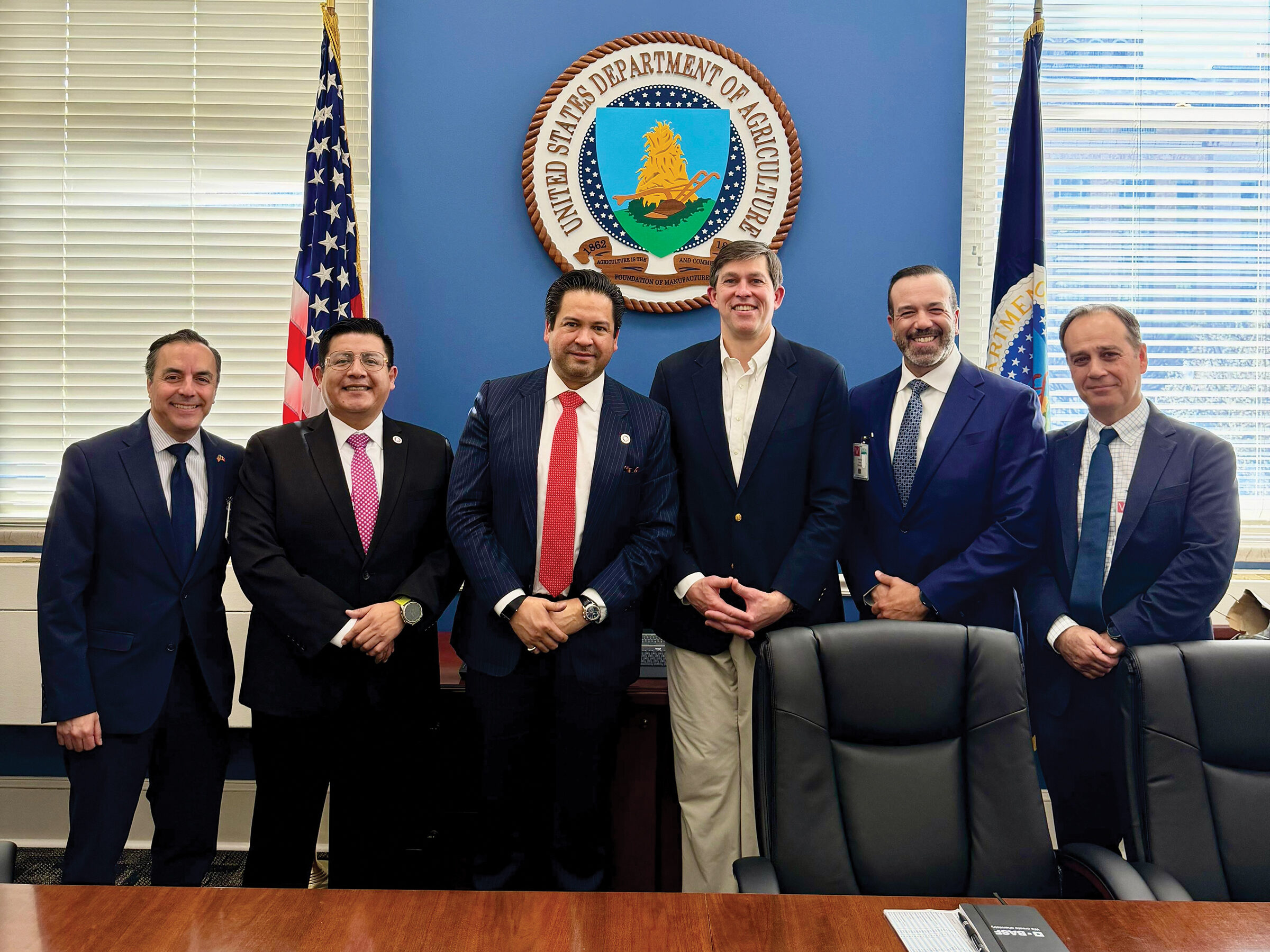
Guerrero has made trips to Washington, D.C. to make sure the severity of this situation is understood by the people with the power to open the border back up. He’s also played an active part in the creation and implementation of practices to keep both countries safe and open for business.
“We all need to have the right information and speak the same language to come up with a solution, and positive strides are being made,” Miguel said. “Strict protocols have been created by the USDA and Mexican authorities for our crossing ports for cattle (including anti-parasitic dipping, physical veterinary inspections and sanitized transportation trailers). These protocols are being inspected now, and it’s going very well. Nothing is yet certain here, but I am hopeful we will see some positive change on this important issue in the very near future.”
One USDA initiative in the fight against screwworms is the sterile New World Screwworm fly production facility at Moore Air Base in Texas, which plans to produce 100 million sterile flies by late 2027, and some 300 million more by 2028 to help protect livestock. This new US move will complement similar existing plants and programs in Mexico and Panama.
“Releasing the sterile flies will help eradicate the screwworm, because screwworm eggs are spread by flies,” Miguel explained.
What’s at Stake if Nothing Changes
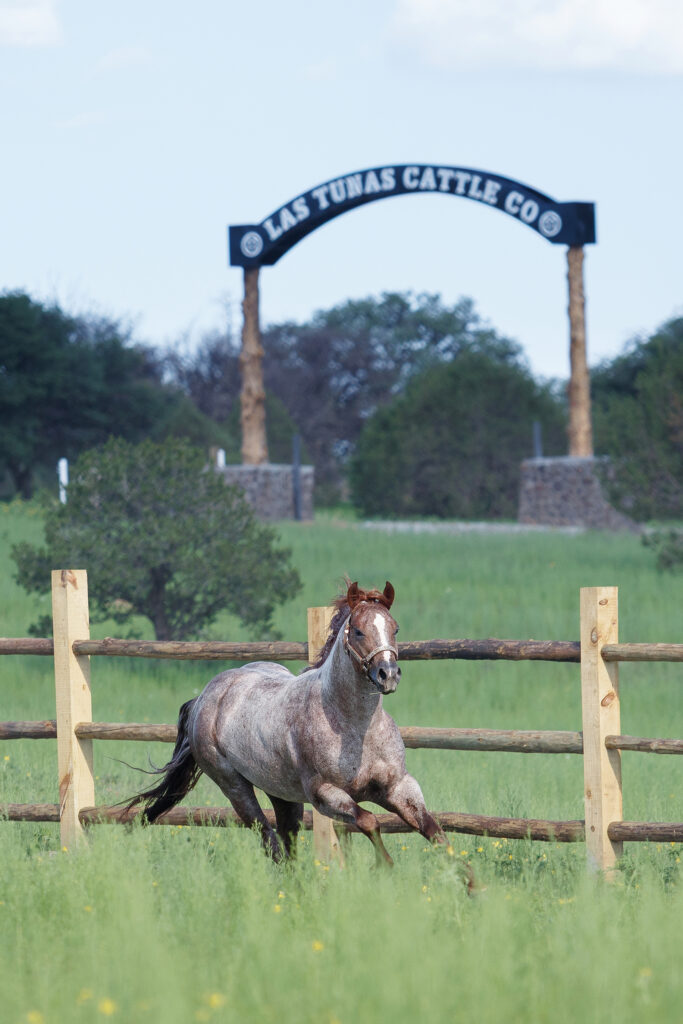
Guerrero and Yost are united in their fight to open the border. They respectfully disagree on whether or not roping steers will return to pre-closure prices when the border does re-open.
“I don’t see them dropping back down, because I just think there’s too much optimism in the entire beef marketplace right now,” Yost said.
“I believe they will go back down, and here’s why,” Guerrero countered. “Two-thirds of the value of the Mexican cattle is added in the US, because these cattle eat American corn and forage, and create jobs at feedlots and packing plants. There are 12,000-15,000 Mexican Corriente roping cattle waiting to be crossed, but over 1.2 million Mexican cattle total, mostly beef cattle. You can only imagine how much corn that many cattle will eat, and how many jobs it will create.
“We’ve been working tirelessly, and we are ready to bring good cattle to roping and rodeo events in the US. I have high hopes that once the border is re-opened, roping cattle prices will become more stable and reasonable again based on simple supply and demand. Paying $2,400 for a roping steer is out of this world and unprecedented. I believe we will be able to get back to enjoying what we all love—roping—a lot more when we get the border back open.”
The border closure also greatly impacts the equine side of Guerrero’s business—Las Tunas Performance Horses and Old West Futurities.
“At Las Tunas, we export 95% of our horses to the US,” he said. “I have 30 team roping futurity prospects in training every day that cannot cross at this time. So as of now, this is hitting us double hard. What we’re aiming for is the re-opening of the border for Corriente cattle and Quarter Horses.
“We are free of screwworms in our northern states of Chihuahua and Sonora, and we are sticking to protocols strictly and doing things right to keep our northern states clean and safe. I am very optimistic now, as the need for roping cattle in our industry is very high. We got around all of this last year, and made it work. Not anymore. There are no fresh M-brands in the US at all now. So while I remain optimistic, this situation is going to be very, very difficult if something doesn’t happen soon.”
—TRJ—