


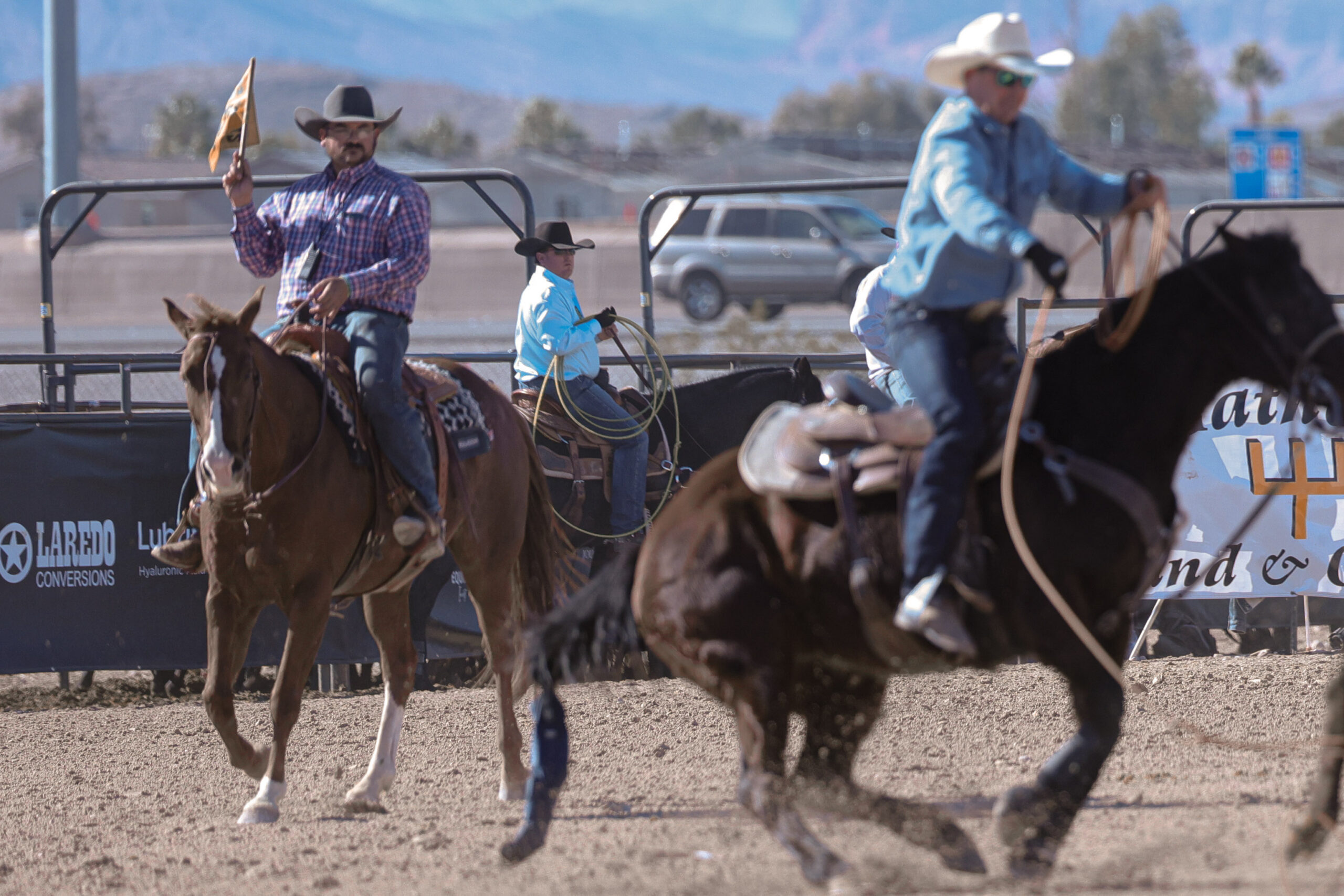
Occasional flagging mistakes have been made since the first rodeo. Things happen fast, flaggers are human and God’s yet to make a perfect person. There are all kinds of factors in play today that might make it feel like more mistakes are being made. Times are faster, the border’s been closed and steers learn tricks over time, and so many runs play out on TV for us all to see now. Fact is, it’s never been tougher to make split-second calls in real time. And budgets and logistics are likely never going to allow my dreamer solution of having freshly retired world-class cowboy experts judge each of their signature events.
Because they’re no longer in the heat of head-to-head battle on a daily basis, I thought it might be best to ask some of our living legends to join in the conversation with calls that went for or against them, and wisdom learned along the way about the relationship between ropers and the flaggers challenged with the charge of making sure the best man wins.
Here’s some of what Speed Williams, Rich Skelton, Jake Barnes, Clay Cooper, Trevor Brazile, Bobby Hurley, Clay Tryan and Cory Petska had to say on the subject.
Rich Skelton
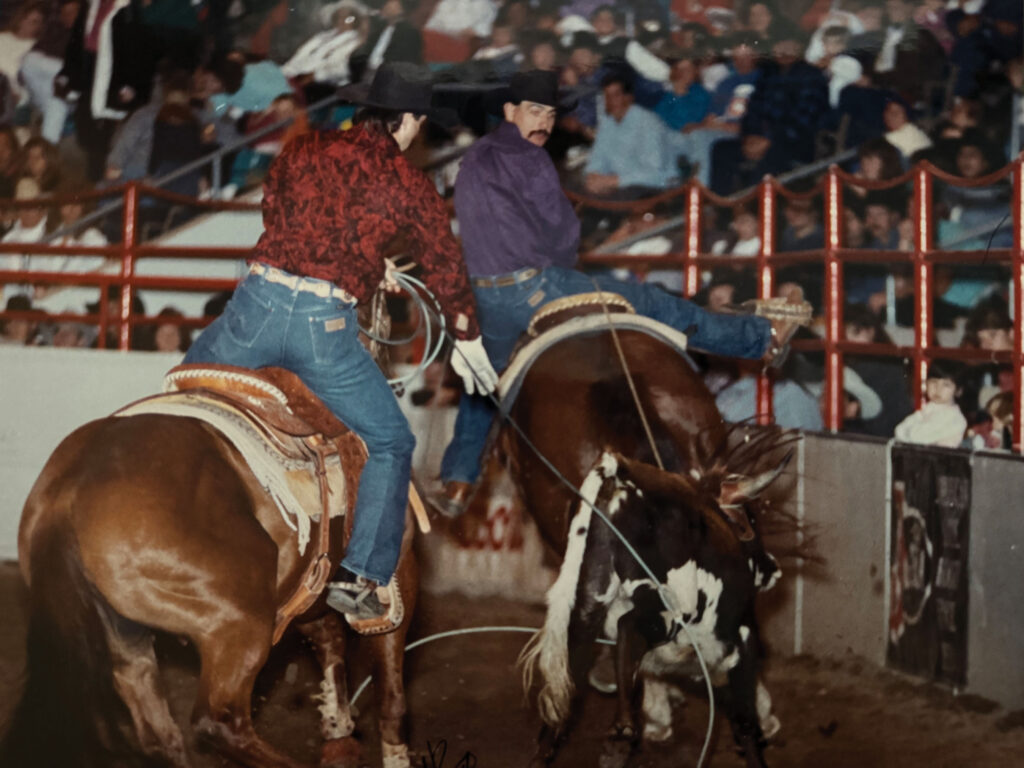
“My personal opinion is that’s what the flagger gets paid for—it’s his job,” said eight-time World Champion Heeler Skelton. “I’m not saying you cheat if it’s blatant, but we’ve all had early flags and late flags, and it all comes out in the wash. We rope. They flag. I don’t think it’s the roper’s responsibility to correct a call.
“One run that stands out to me years later was a very fast one Speedy and I made at Corpus Christi. They flagged me out for crossfire, and it wasn’t even close. My wife (Rhonda) had it on video, but there was no talking to the flagger about it. At that time, the rodeo was in a small building that was a hockey rink, and Speedy hung it on him. The steer checked off, and I heeled him. It was before anyone had seen many runs like that, and I think it just caught the flagger off guard. Three- and four-second runs are common now, but they weren’t back then. We made one of the first ones, and got a no-time for it.
“If you rodeo for a long time, it all balances out. You might get away with one here or there, but they’re going to get you when you don’t have it coming sometimes, too. If you rodeo for very long, you’re going to get both sides of the coin. The steer situation we have right now with the border closed is making getting crossfire calls right way worse. After steers get roped so much and as fast as team roping is today, you have to throw to have a chance to win anything. Good things happen and bad things happen. You’ve got to roll with the punches.”
Speed Williams
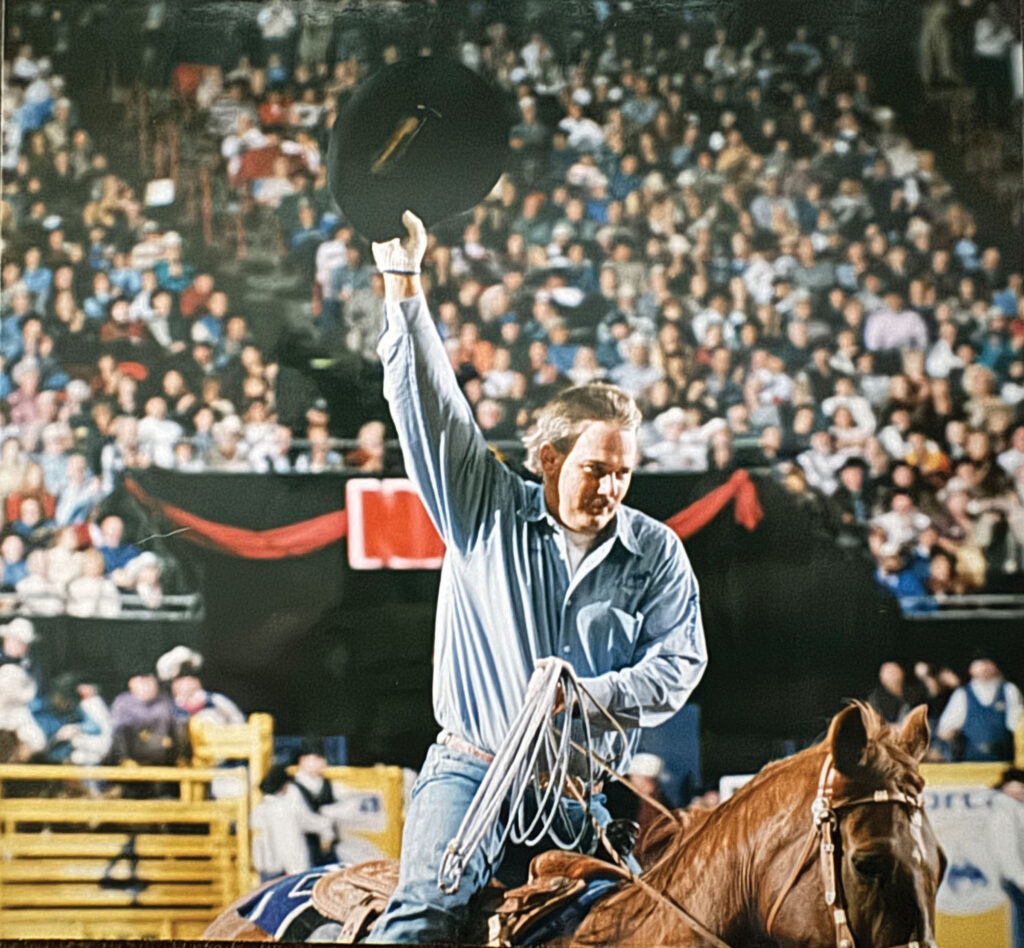
“Judging is such a hard job, and these guys make most of these calls without instant replay,” said eight-time World Champion Header Williams. “There are so many angles and interpretations on today’s crossfire rule, as just one example, that it’s hard to get a consistent outcome. That’s one of the hardest jobs for flaggers to be consistent on now. I’ve always had a good relationship with the judges. I’ve backed them when I agreed with their call, and at times that wasn’t always popular with my peers. My answer’s always been that an opinion’s an opinion.
“I was heeling at the Reno Rodeo my rookie year, and my partner hickeyed a horn in the first round. I looked at the flagger, and told him to go look at the head catch. I got circled after slack, and all the old timers scolded my ass like a dirty red-headed stepchild. You’d have thought I committed a criminal sin. My only answer was, ‘right’s right and wrong’s wrong.’
“I turned myself in at Reno another time when I had a bad head catch. The way I always looked at it was if I didn’t say something, I was taking money away from somebody else that I didn’t deserve. And I try to live by what’s right. Winning a rodeo when I don’t have a legal head catch isn’t right. I’ve turned myself in quite a few times over the years, even when my partners weren’t always tickled when it cost us thousands of dollars, because I believe what goes around comes around. Honesty and doing what’s right is the right thing to do. You either have a qualified run or you don’t.
“One time at Lewiston, Idaho, I had a bad head catch in the second round to win the second round and the average. I looked at the flagger after I faced, and he looked away. I stayed in the arena and held that steer for about 30 seconds. Nothing. I went and got my rope, rode up to the flagger and told him I had a bad head catch. He said he didn’t see it, scolded me and told me to get out of the arena. Bottom line, I don’t want to win when I don’t deserve to.”
Jake Barnes
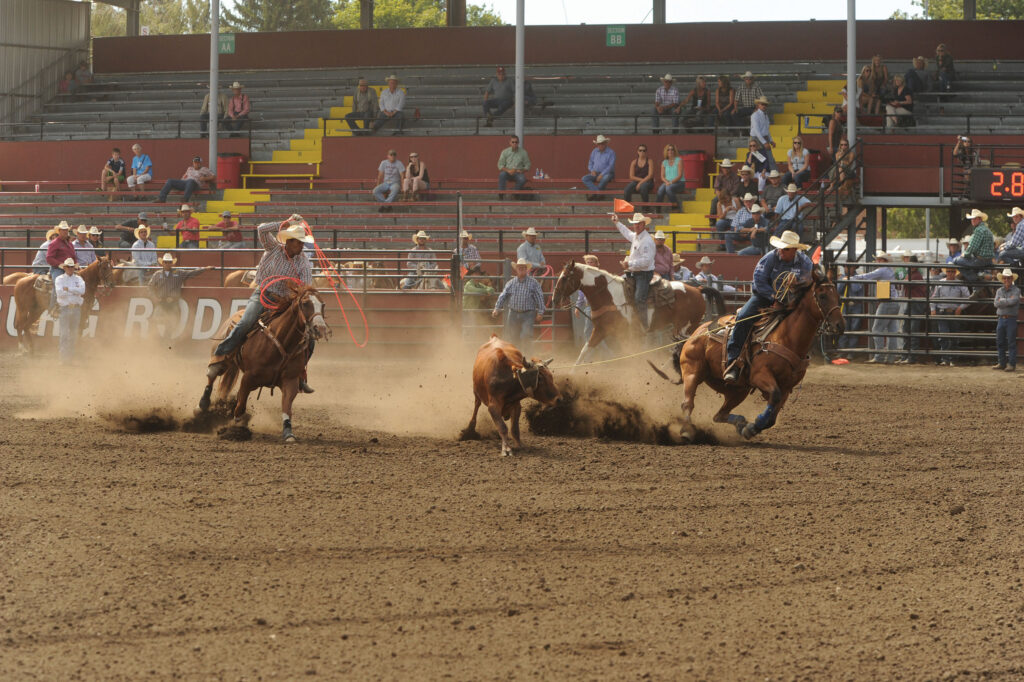
“To me, it’s the flagger’s job and if he misses a call, it all equals out,” agreed seven-time World Champion Header Barnes. “Cowboys have no recourse when mistakes are made against them, so taking the break when the cookie crumbles the other way is just part of it. You’re not going to run up to the policeman and say, ‘Hey, I was speeding, give me a ticket.’ Sometimes you speed and get away with it, and sometimes you get caught.
“The only guy I ever saw tell a flagger he had a bad head catch was Speedy Williams, and he was adamant about it. He felt you should fess up, and when I think about it now, I think that’s true. I don’t know, it’s a tough one. Because there are always going to be bad breaks, too, when you were supposed to win and didn’t.
“I remember one time when I was heading for Matt Sherwood at Reno, and we should have won first or second. We came tight, and the flagger didn’t flag us. It was an obvious mistake, and it was like he just blanked out. There was nothing we could do about it. He didn’t drop the flag, and we got a no-time instead of a big check. There was no recourse.
“I don’t know any judge who would ever cheat intentionally. And I would never, ever want to be a judge. You have a split second to see it, and I would hate to think I cost somebody something if I made a mistake. I’ve been so mad at flaggers when I was younger. But I’m mature enough now to know it is what it is, and to just ride away. Once they make their call, it’s over. You can be mad as a hornet, and it’s not going to change anything. Sometimes everybody throws a fit and gathers around, and puts enough pressure on a flagger to change a call. But most of the time, that’s just life and you have to live with it.
Clay Cooper
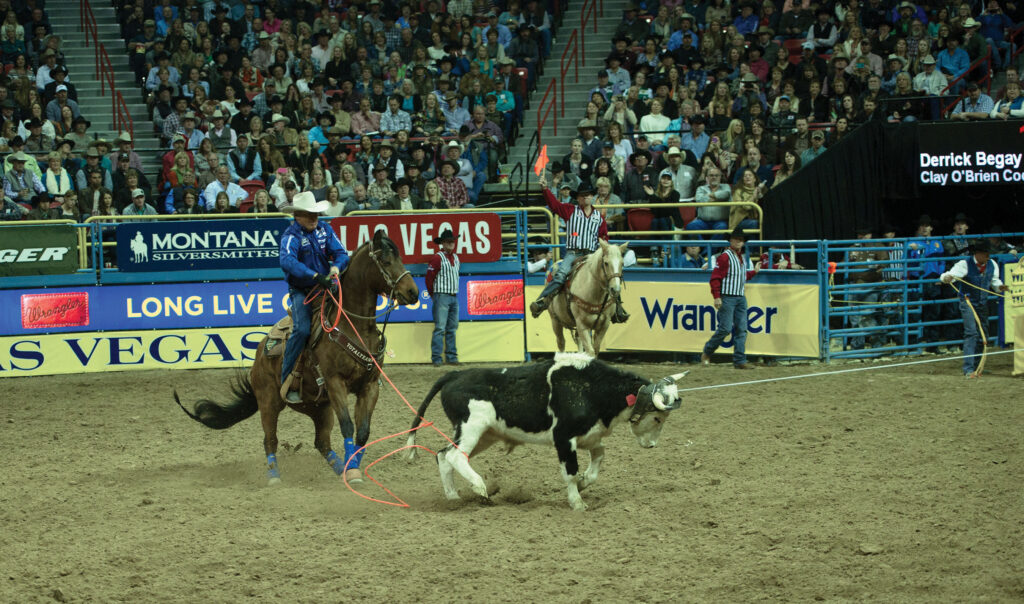
“My No. 1 feeling about flaggers is that’s a hard job to do, and they’re going to make mistakes, because we’re all human. I’ve gotten away with lots of crossfire shots, and I’ve gotten called on some that were nowhere close. It bums you out at the time, but if you rodeo long enough, it all evens out. You have to keep a good attitude no matter what, and not just about flagging. You can find 10 other things that’ll make you mad at all times. You have to choose to have a good attitude and roll with the flow.
“To me, crossfire’s a pretty easy call to make if you have replay, and there’s a reason pro football, baseball and hockey have all gone to using it. It just takes 99.9% of the real-time call out of the play. Flaggers do the best they can, but sometimes in slow motion and from other angles we realize we were wrong. Some calls are almost impossible to make on the first glance, because it all happens so fast. With replay, you can watch even a 3-second run as slow as you want.
“Using instant replay is a no-brainer, and I’d love it if I was a flagger. For those who say we don’t have video in place at all rodeos, we do. Every single team roper has his runs videoed. If there’s a question, there can be a phone with that run on it in the flagger’s hands in a few seconds. It’s right there at no cost. Just look at it, and make your call.”
Trevor Brazile
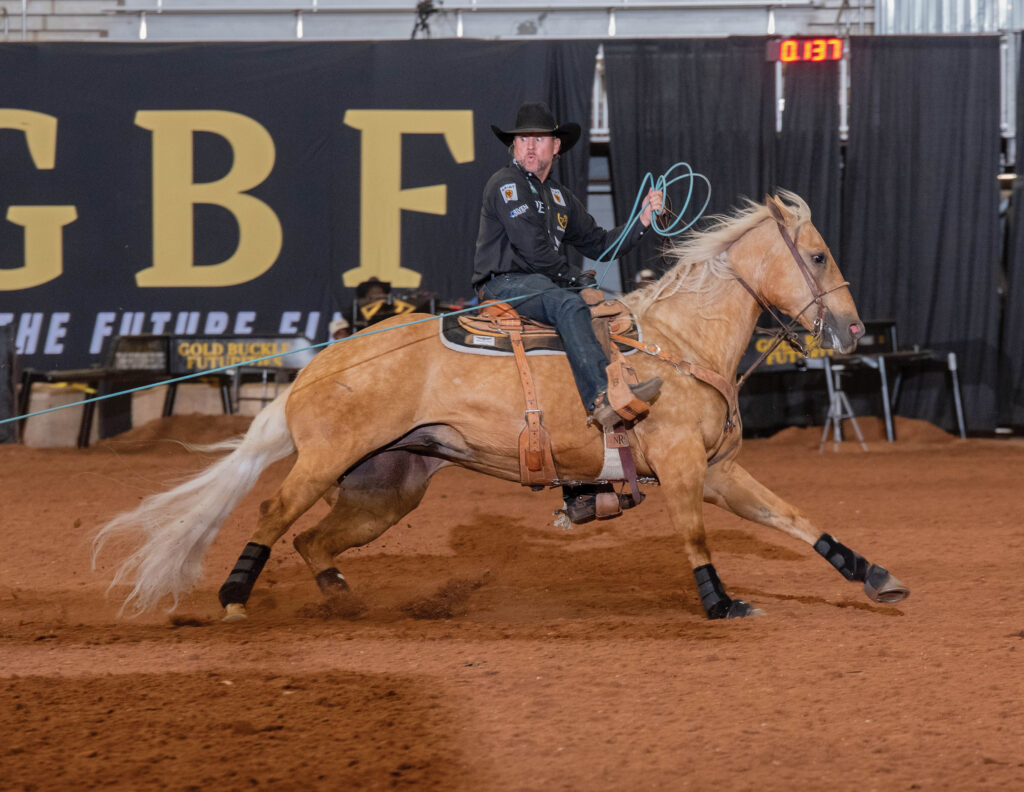
“I was always from the school of you’re going to get calls in your favor and bad calls,” said 26-time Champ of the World Brazile. “I remember one time when I faced and the flagger was looking at me dallied, and I looked at him wondering what he was doing. It was like he was in a zone. The only thing I could think of when stuff like that happened is that it would come back in the other direction sometimes. It always does, and I’ve been there both ways.
“This doesn’t only happen in the team roping. I’ve not had a wrap around all three legs and won, and I’ve been flagged out for not having a wrap around all three when I did. The flagger refused to get off of his horse and look closer. There’s nothing you can do.
“What to do in certain team roping situations can be tricky, because there’s someone else depending on that outcome also. If you take a stand against yourself, someone else is impacted, too.
“One time I was riding in the box at Denver and said, ‘Hey, that’s not my steer.’ The judges said, ‘Yes, that’s him.’ I told them that’s not what I saw at the secretary’s office. They said their judges list was official, and told me to run him. It was Al Bach and me in the third round—Denver was three and a short then—and we were winning the average by two seconds. We made a good run, then the judges came out to the trailer and told us we ran the wrong steer. I said, ‘I’ve already been through this with you all.’ They said if we didn’t come back in and run the other steer, we were disqualified. We went back in, Al roped a leg and we didn’t make the short round.
“Calls are going to go for you and against you. Most people let a bad call send them into a tailspin. That’s why I was so impressed with how Stetson Wright handled that call at last year’s NFR, when they said he missed that horse out and it cost him so much. He couldn’t have handled it better. He could have thrown a fit. But the fact of the matter is humans are going to make mistakes. He just made them pay for it later that night in the bull riding.”
Bobby Hurley
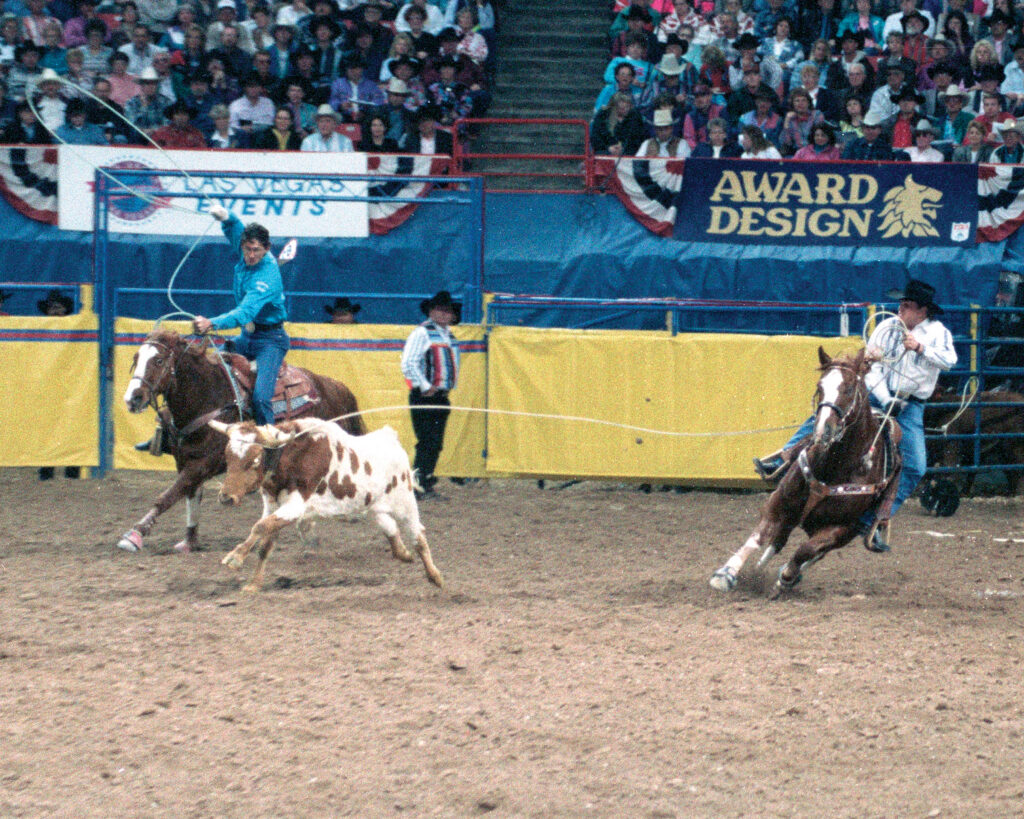
“That old saying that it all comes out in the wash when it comes to flags that go for and against you is true,” said two-time World Champion Header Hurley. “I didn’t get controversial over bad calls made in my career. I might have asked the flagger what he saw now and then, but I wasn’t down there stomping my feet, throwing dirt and cussing people. That wasn’t me, and it wasn’t going to change anything. Calls were not overturned back when I was rodeoing. There was no instant replay. They could have watched what your wife had filmed, but they weren’t going to look at that and be proven wrong.
“I do understand that it’s hard to make those split-second calls when it’s close. I also always understood that if you made one of those judges mad, he could make it hard on you the rest of your career. Always remember that people are human, and if he holds that flag a tenth of a second and the timer holds that stopwatch an extra tick, you’re out of the money.
“I’ve also waved my hand at a flagger when I had an illegal head catch he didn’t catch a couple times. It just felt like the right thing to do at the time, and I didn’t really want to win when I didn’t deserve it.”
Clay Tryan
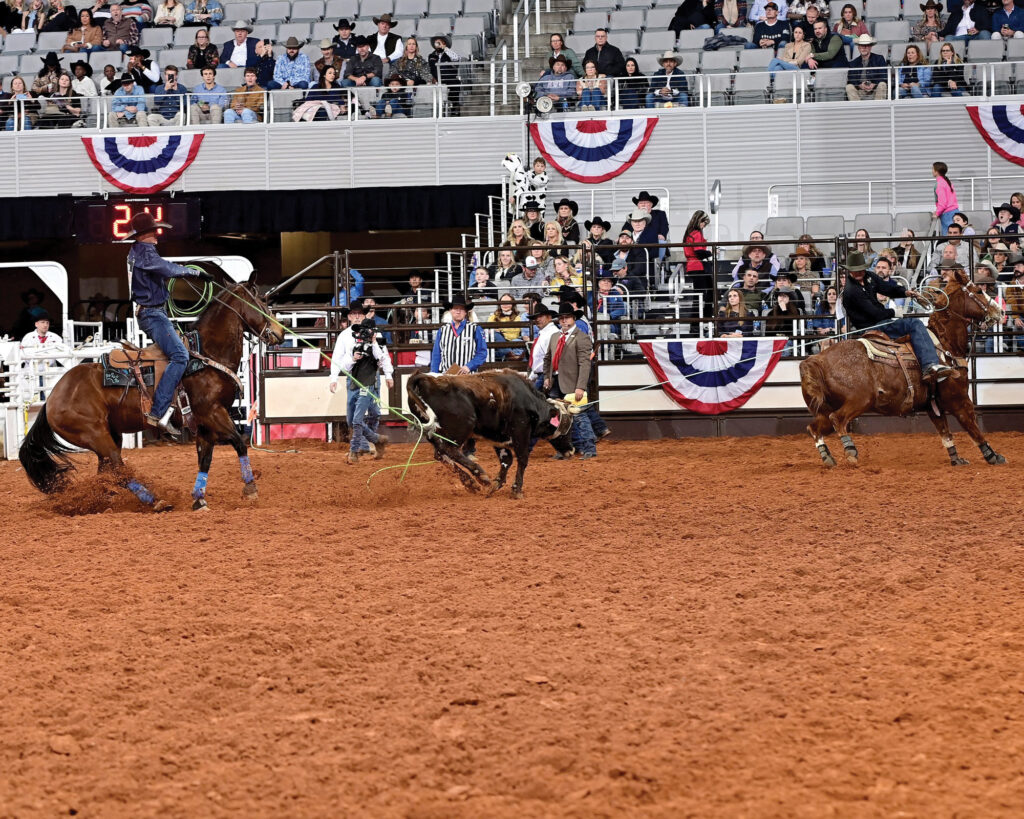
“I’ll bet I’ve only questioned a flagger once or twice in 25 years,” said three-time World Champion Header Tryan. “I respect the judges. They have their job to do, and I have mine. I think their job is a lot harder than people think, and those guys take a beating, especially with rodeo on TV all the time now. As fast as team roping’s getting, these guys are getting put in some tough spots. The crossfire rule has changed, guys are throwing so fast, and flaggers have no time to think about it.
“I’ve had a few bad calls and a few go my way, like everybody else. I’ve only had one atrocious call made on me in my career. Cory Petska and I got flagged out to win Round 10 at the 2003 NFR. It wasn’t even close, it was for $13,000 or 14,000, and I was just a broke kid. That one hurt. You couldn’t react back then. You just loped out of the arena. They darn sure would have changed it now with replay, but back then there was nothing we could do. But again, flagging’s always been a hard job.”
Cory Petska
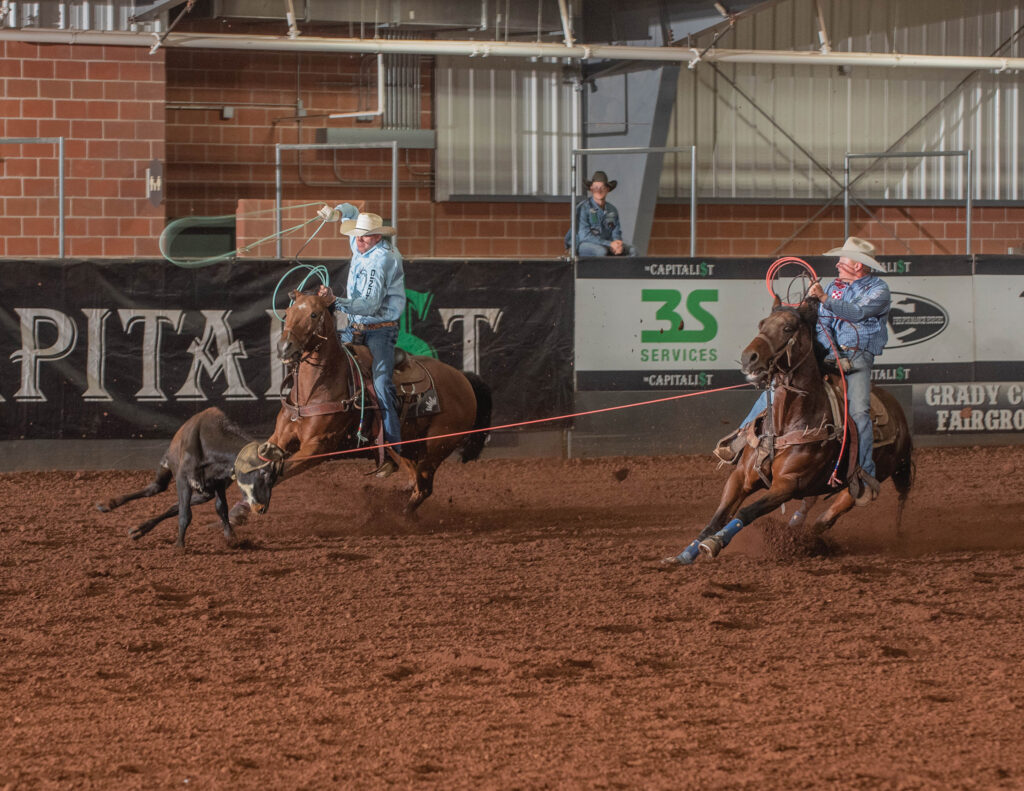
“Yeah, I roped that steer in Round 10 at the 2003 NFR on the second or third hop,” said 2017 World Champion Heeler Petska. “We hadn’t hardly won anything, and it was so bad the flagger came and apologized to me about it five years later. That same guy has apologized to me twice. The other time was when Erich Rogers and I won second at Salinas, and the team that beat us had an illegal head catch on one run. I should have four Salinas buckles instead of three. The thing is, me and that judge are truly friends.
“I feel bad for the judges. They might get paid $250 to 300 a perf when the clown’s getting $1,000 and the announcer’s getting $2,500. Pickup men are paid terrible, too, and they have to haul horses. I advocate for the judges. They have to pay for their own hotels, rental cars and meals. There are times they literally lose money to work a rodeo.
“People are still talking about Stetson Wright’s bad call at the Finals, and how the replay official didn’t overturn it. It’s easy to understand why these guys have each other’s back. People forget that they have to share rental cars and hotels to make it work. There’s a reason the judges are always eating at hospitality. They’re trying to scratch and save.
“I’ve had lots of bad calls against me for crossfire. One flagger got me several times, and one year at Vernal he was the line judge and tried to talk the flagger into getting me. In an opposite example, I roped a blatant leg at Hermiston one time. I rode up to the flagger and told him. The way the judge saw it, the steer pulled a leg after he dropped the flag. He wouldn’t change it, we won the round and I felt guilty as hell.
“Our whole livelihood depends on the judges and timers, and they’re the worst-paid people in the PRCA. The roughies’ lives depend on the pickup men, and the clowns make more money than they do, too. Everybody wants to cuss the judges. But until we take better care of them, why would they take better care of us? It’s just sad to me. We’re never going to get new blood interested in judging at this rate. You could literally make more money working at McDonald’s than judging PRCA rodeos.
—TRJ—
READ: A Baltimore First Responder Came to Texas to Retire—Then He Was Handed a Rope