


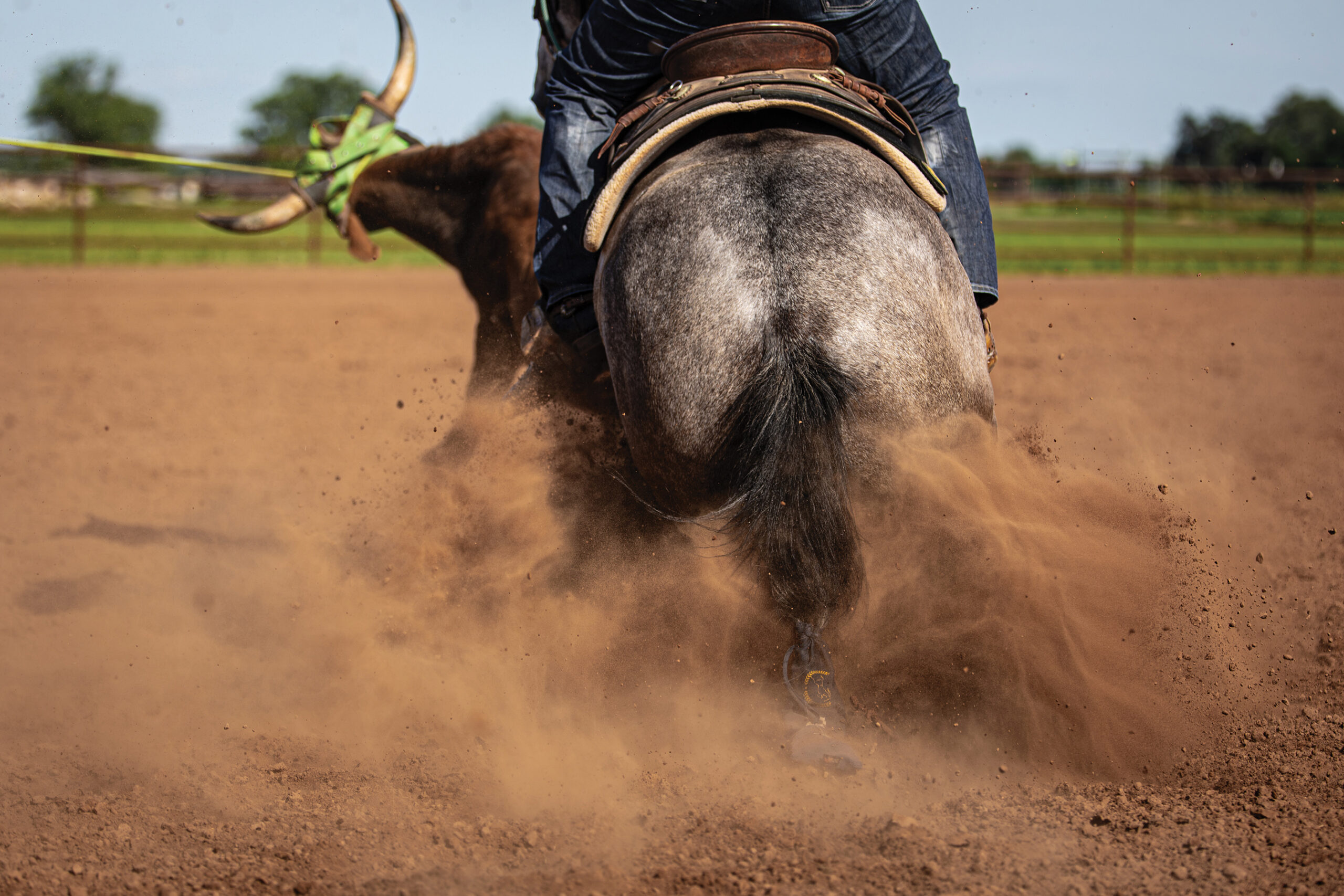
When I say a horse is “for real,” it’s more than training, talent or even breeding. There are a lot of good horses out there, but every once in a while you sit on one that’s just different. They think different. They handle pressure different. They want to help you. That’s what separates a real heel horse.
A lot of horses are athletic enough. Some can really stop. Some can really run. But the great ones have a mind that lets all that ability show up when it matters. They stay quiet mentally, they keep trying and they keep getting better every time you ride them. You can feel it early sometimes. You might run five or 15 steers on one and think, “Man, this horse is for real.” They hold their stuff together at a young age. They take pressure. They want to work for you instead of fighting you. I think that’s what all the great ones have had. Some horses develop later and something finally clicks, but a few of them show you right away they’re different.
Mind
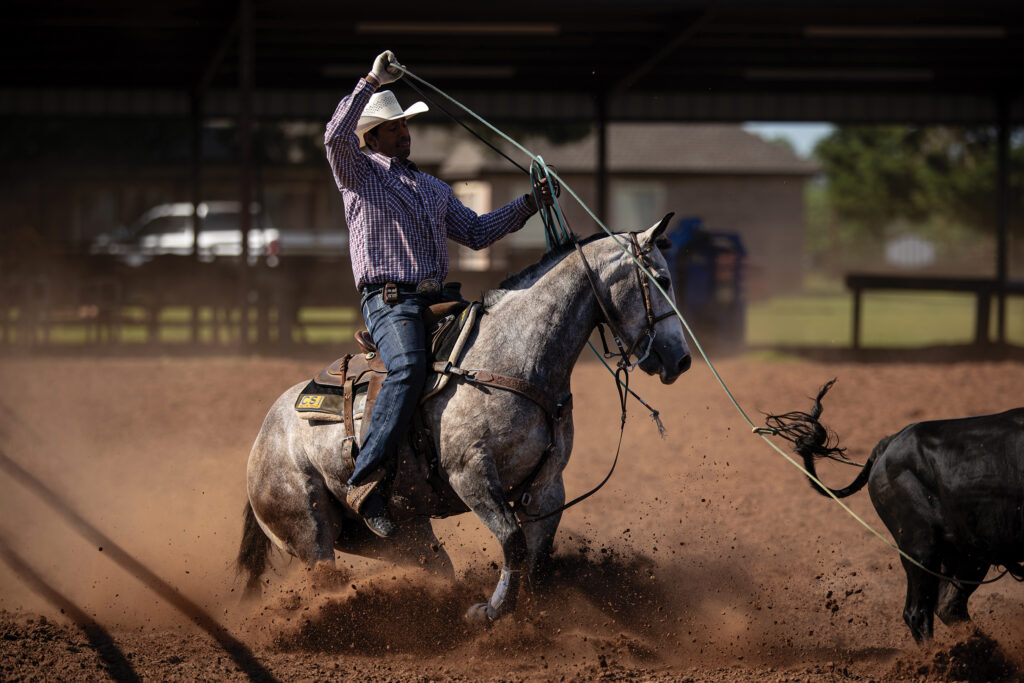
First I’m big on breeding and athletic ability, but if the mind isn’t there yet, it’s hard for a horse to become great. You can have one that’s more athletic than the others, but if they can’t handle pressure or stay mature mentally, they struggle when the speed picks up. The real ones usually want to help you. That’s the best way I know to explain it. They stay calm, and they stay hooked to the steer. They try hard every run. Those are the horses that usually make rodeo horses because they can handle the road, the pressure and the competition.
They Have to Run
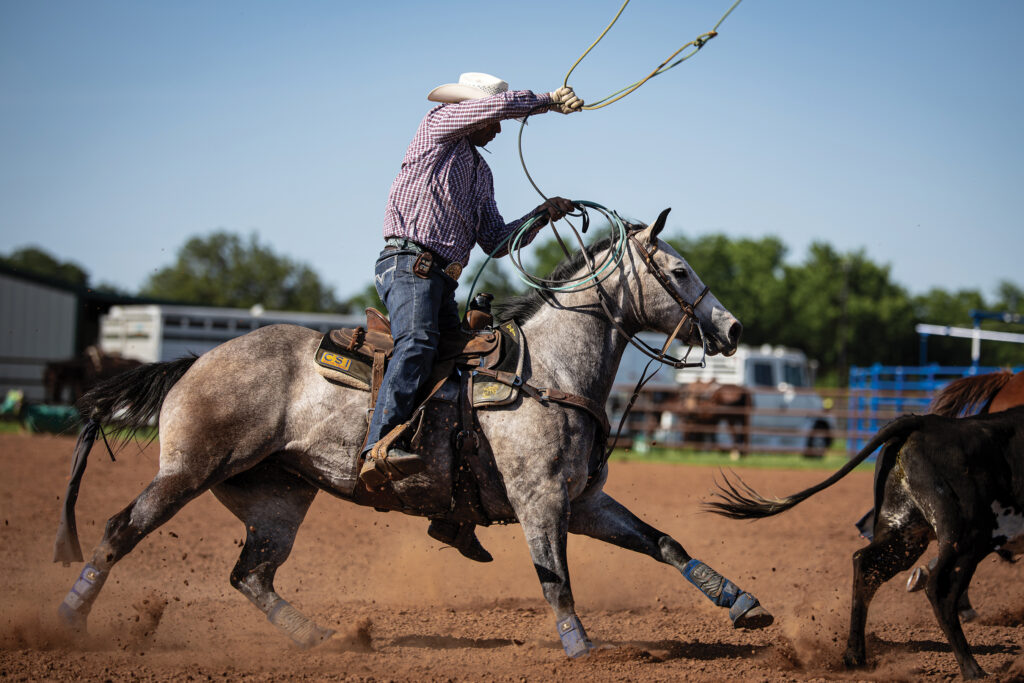
Nowadays, heel horses have to run. There’s no way around it. The cattle are faster, the competition is tougher and if your horse can’t keep up, you’re always behind. Back in the day, people mostly talked about needing a fast head horse. Now your heel horse has to be just as fast or close to it. If a horse can really run and drag his butt, you can do a lot with him—that’s the foundation. They have to run hard, stop hard and leave again without losing themselves. Heel horses have to score, break, run, stop and handle the jerk while staying underneath themselves. If they can’t run and stop, you’re missing too much before you ever start. You watch cutting horses and cow horses, and it’s the same thing. They explode across there, sit down and move again in two or three strides. Heel horses need that same kind of athleticism.
Staying Soft Through the Corner
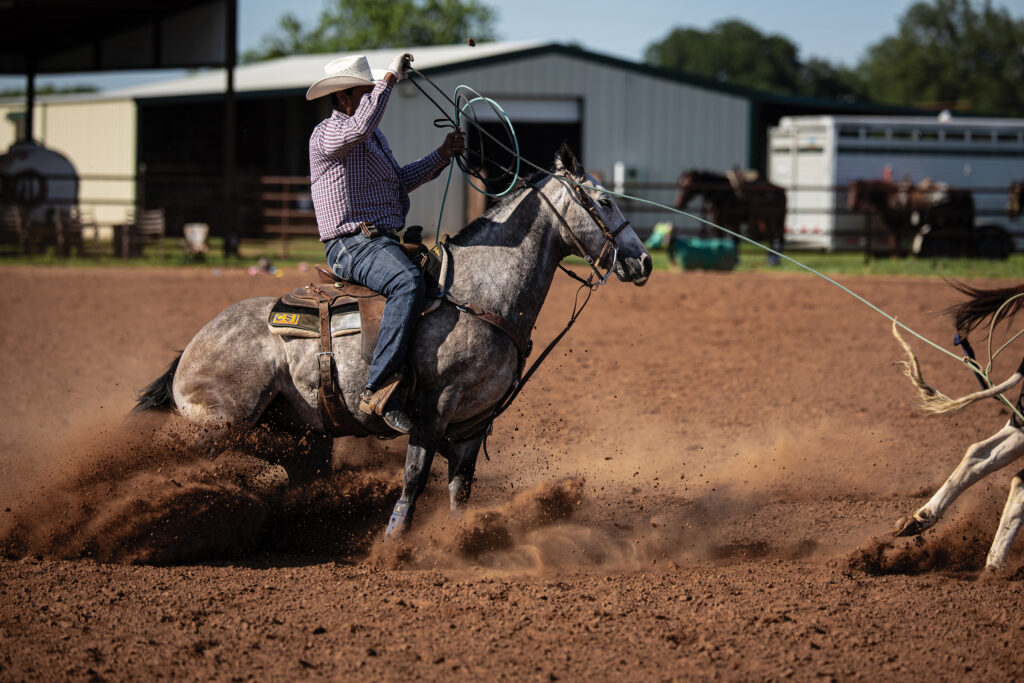
One thing I pay attention to a lot is how a horse feels in my hand through the corner. I like to feel the bridle, but I don’t want one pulling through my hand every stride. I don’t want to over-pull on them either. I just want that balance where I can feel them soft in the bridle and shape them when I need to. If a horse is pulling through the turn or shouldering through the corner, it’s almost impossible to throw fast. You lose control of the steer, your horse and your timing all at once. The best horses shape up naturally and stay with the steer. When they can match the steer’s speed and maintain position, that’s when you can really rope fast and make up shots.
WATCH: Heeling Drill – Developing Control Through the Corner
Why I Like a Wider Pen
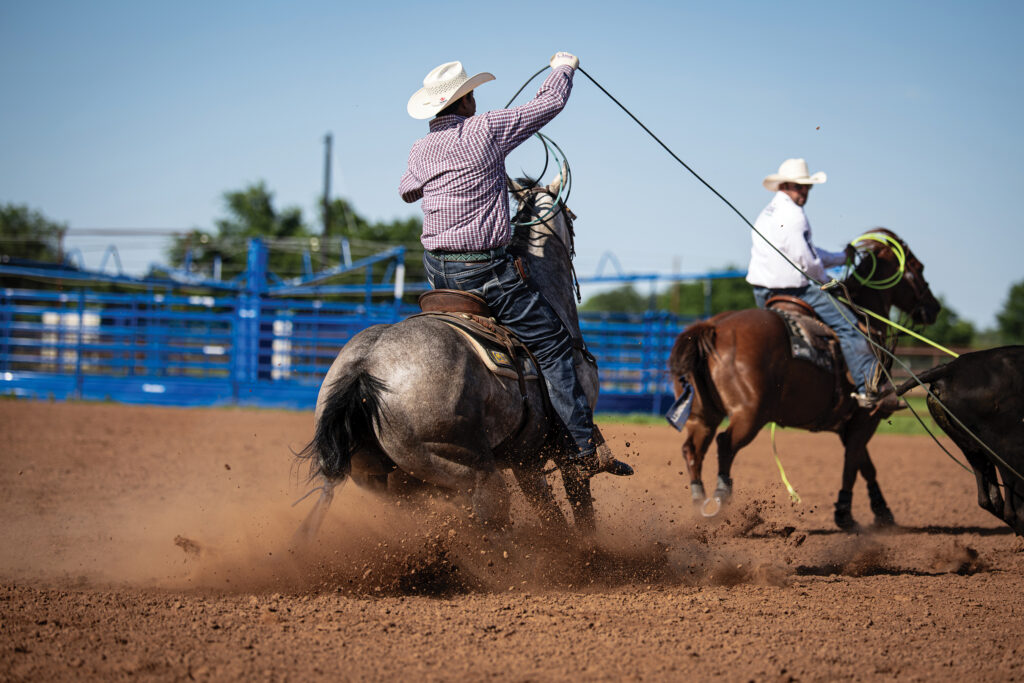
One reason I widened my practice pen is because I wanted my horses to learn how to maintain position while moving across the arena. Growing up in Brazil, we always had wider arenas, and I think it helps horses learn to track correctly. I want them to run up there, find the steer and stay hooked to him naturally. Not just stop hard every run, but really learn how to move with the steer and hold position. I think that matters in the big moments. Rodeos are fast now. Sometimes you’re trying to make up ground, sometimes you’re dealing with long scores, but either way your horse has to stay connected to the steer. That’s what a real heel horse does: No matter the situation, they run up there, find the steer and stay with him.
—TRJ—