


Every roper has stood in a barn aisle and watched a veterinarian jog their horse. Fewer have watched that veterinarian back into the box an hour later.
Team roping and equine practice draw from the same well—long days, hard miles and an interest in why a horse quits working right. The veterinarians in this package built careers on the medicine and kept entering anyway, scheduling around colics, dentals and the occasional Sunday phone call from somebody who knows better.
Editor’s Note
When we went looking for veterinarians who team rope, we asked our Facebook followers to name theirs. The post drew more than 800 comments in a week. Some named one vet. Some named three, in three different states. We called the ones we could fit and left a long list on the table—which tells you something about how many people in this sport are treating horses on Monday and backing into the box on Saturday. We are keenly aware that there are many—many—more veterinarians who deserve to be in print, and we’ll feature a part two in the coming months.
WINDSOR, COLORADO
Joe Stricklin, DVM
PRACTICE
Joe Stricklin, DVM, Windsor, Colorado
VET SCHOOL
Texas A&M University, 1980
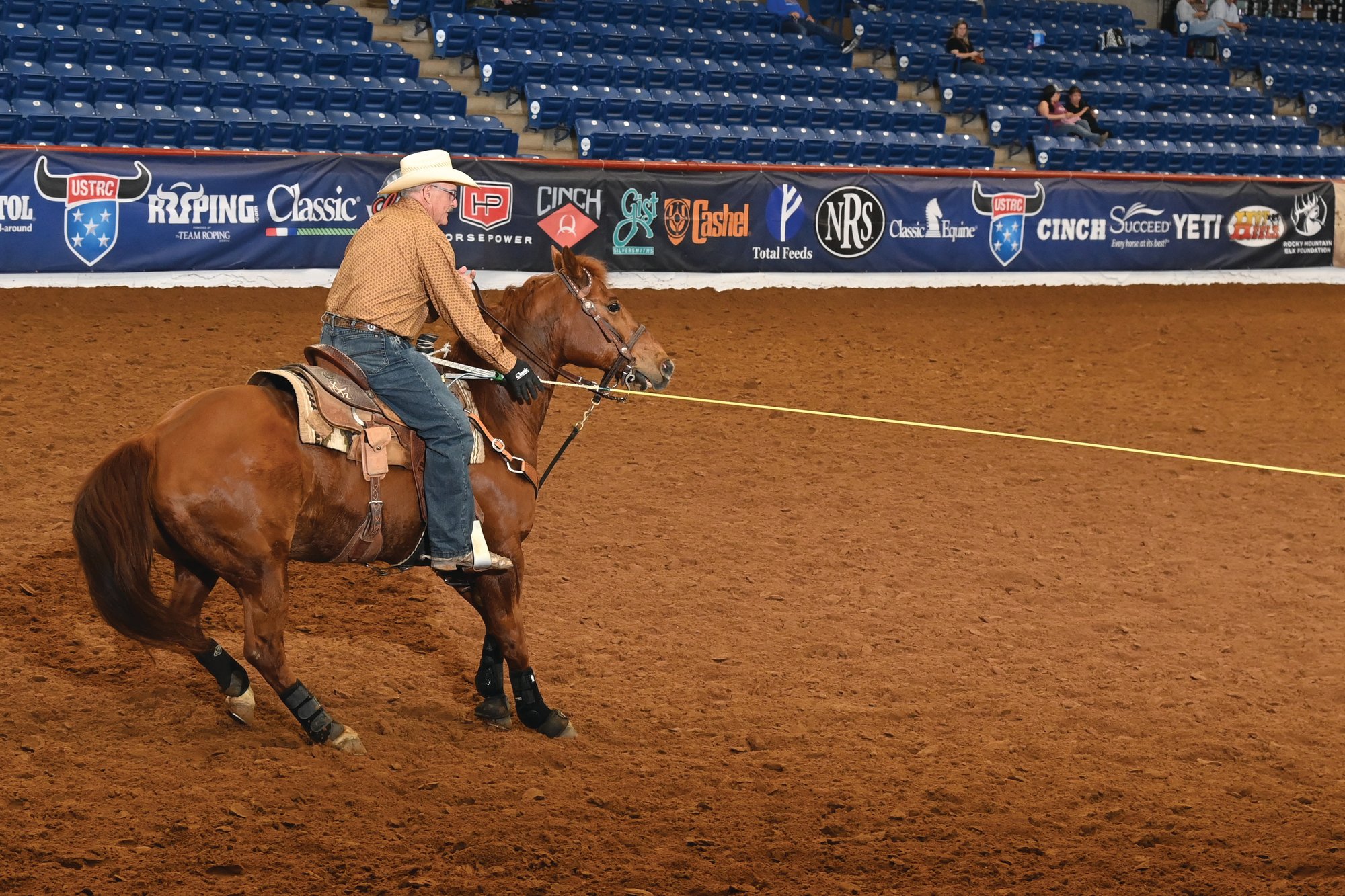
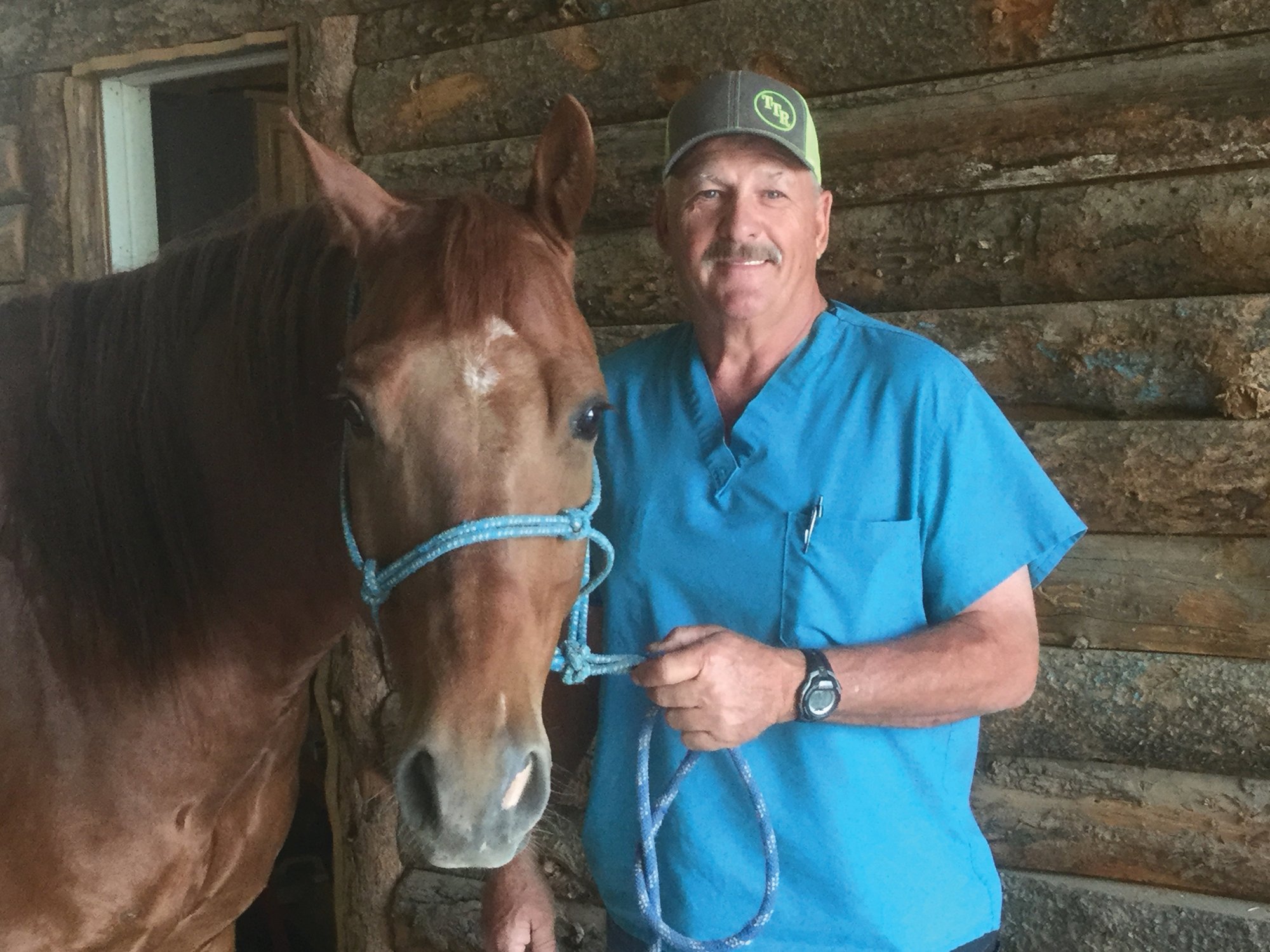
Joe Stricklin built a surgical practice in Abilene, Texas, cutting colics and doing arthroscopic work before the state ran a highway through his hospital and he moved to Colorado. Since 2007, he’s limited his practice to lameness and dentistry.
What put you on the path to veterinary medicine?
I grew up in the time of screwworms, treating our cattle and calves and sheep as a kid, and that was probably the beginning of it. Then about the time I was 15, my dad was partners with a veterinarian in a veterinary supply business, and we had rope horses. Watching Dr. Smith come out and work on our horses headed me in that direction.
How do you fit roping in around the practice?
Back in Texas, a lot of times I didn’t get to rope when I wanted to, because emergencies came and colic surgeries didn’t wait. Now I work Monday through Friday, and I don’t work weekends unless it’s rodeo people coming through on a tight schedule. The older I get, the more of a priority it is. If there’s a roping I want to go to, I make sure I make the time.
What’s it like being the veterinarian at the jackpot?
I’ve gotten people somewhat trained. Somebody will come up and say, ‘I know it’s Sunday, but could you look at this today?’ and I tell them no, I’m not working today. If it’s not an emergency, I’ll be happy to get you an appointment. But if a horse comes out of the arena and can’t put a foot down, I’ll be the first one there.
Does roping make you a better veterinarian?
I think it’s good that as equine veterinarians we ride horses. Some people will disagree—you can be a good equine veterinarian and never have been on a horse’s back—but I do think it helps. It gives you a whole other perspective. And team roping has definitely added to my business, because people know me. It’s word of mouth.
GILL, COLORADO
Wendy Gaddis, DVM
PRACTICE
Block & Bridle, Gill, Colorado
VET SCHOOL
Colorado State University, 2000
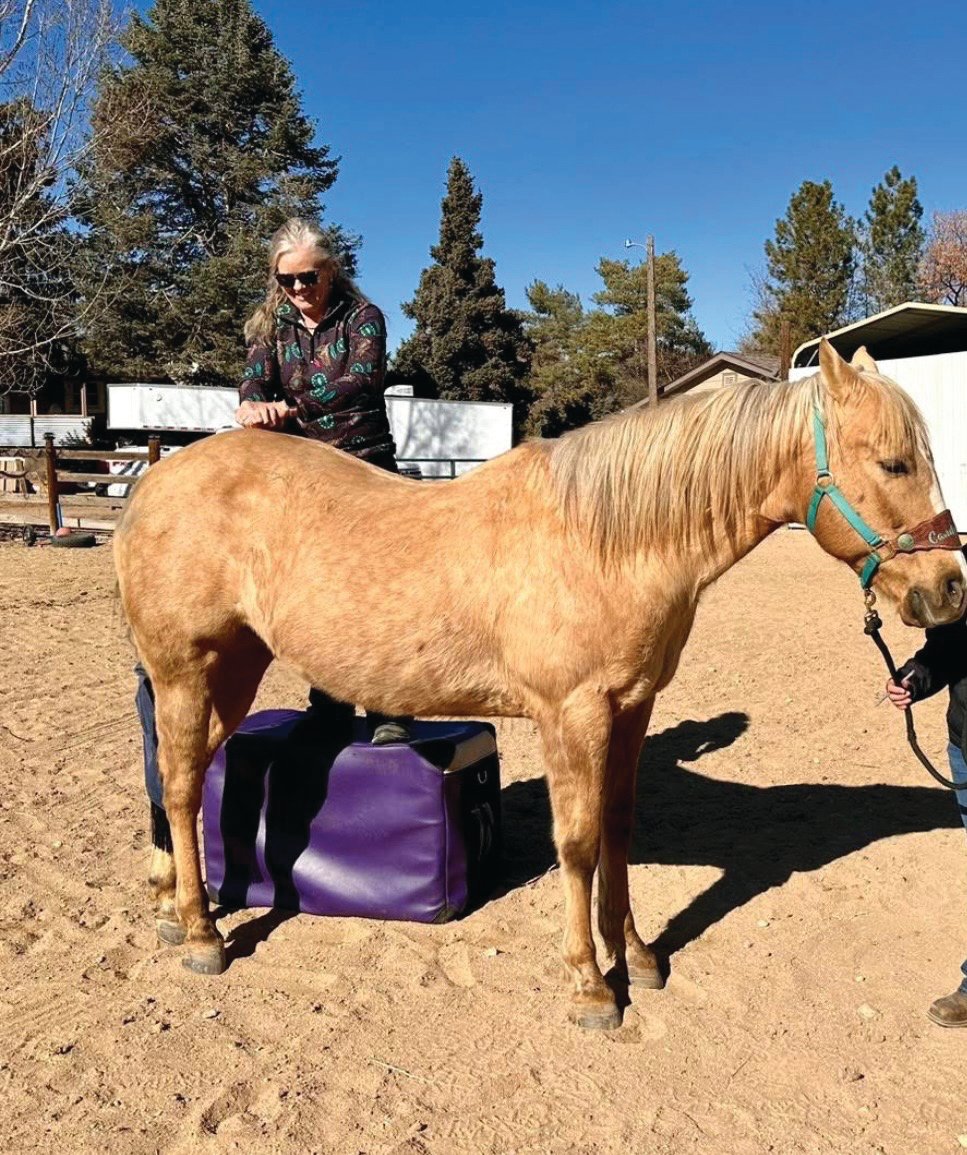
Wendy Gaddis grew up on a ranch outside Laramie, Wyoming, rodeoed for the University of Wyoming and got an accounting degree so she could afford her horses. She started her own practice in 2002 and came back to team roping about 15 years ago.
What put you on the path to veterinary medicine?
I was working as a controller at a bank in Texas, and I bought a barrel horse from very reputable people—both had been to the NFR—and I didn’t have a pre-purchase exam done. He was crippled within a week. A local vet said he had really bad navicular, and they wouldn’t take a small-town Texas vet’s word for it, so I took him to Texas A&M. Standing there with all the students going through differentials, I thought, this is really what I should have done with my life.
How do you fit roping in around the practice?
I didn’t rope at all for years. Then Shane and Paulette O’Hotto told me they had a horse, Pepsi, and said if I wanted to start roping again, that was the horse I needed. That was about 15 years ago. Now we have a really nice arena here, so I rope after work at least once during the week and usually Saturdays and Sundays. If I can find someone to take off and rope with me, I’ll rope Fridays.
What’s it like being the veterinarian at the jackpot?
Everyone’s pretty respectful about not pulling you away from what you’re doing. I don’t mind if somebody comes up and asks what’s going on with a horse—I’ll tell them it looks off on the right front and let’s get an appointment made. I enjoy seeing clients there and seeing your patients doing well. I’ve only had one time where a really good client’s horse was colicking, and I said, all right, let me get through the second round.
What’s the one thing you’d tell a roper about their horse?
Ropers are getting better. They’re not quite to the barrel racer standard, but they’re realizing it’s a lot cheaper to maintain a good rope horse than to buy one.
WEST HAVEN, UTAH
David Moss, DVM
PRACTICE
Northside Animal Clinic, West Haven, Utah
VET SCHOOL
Colorado State University, 1992
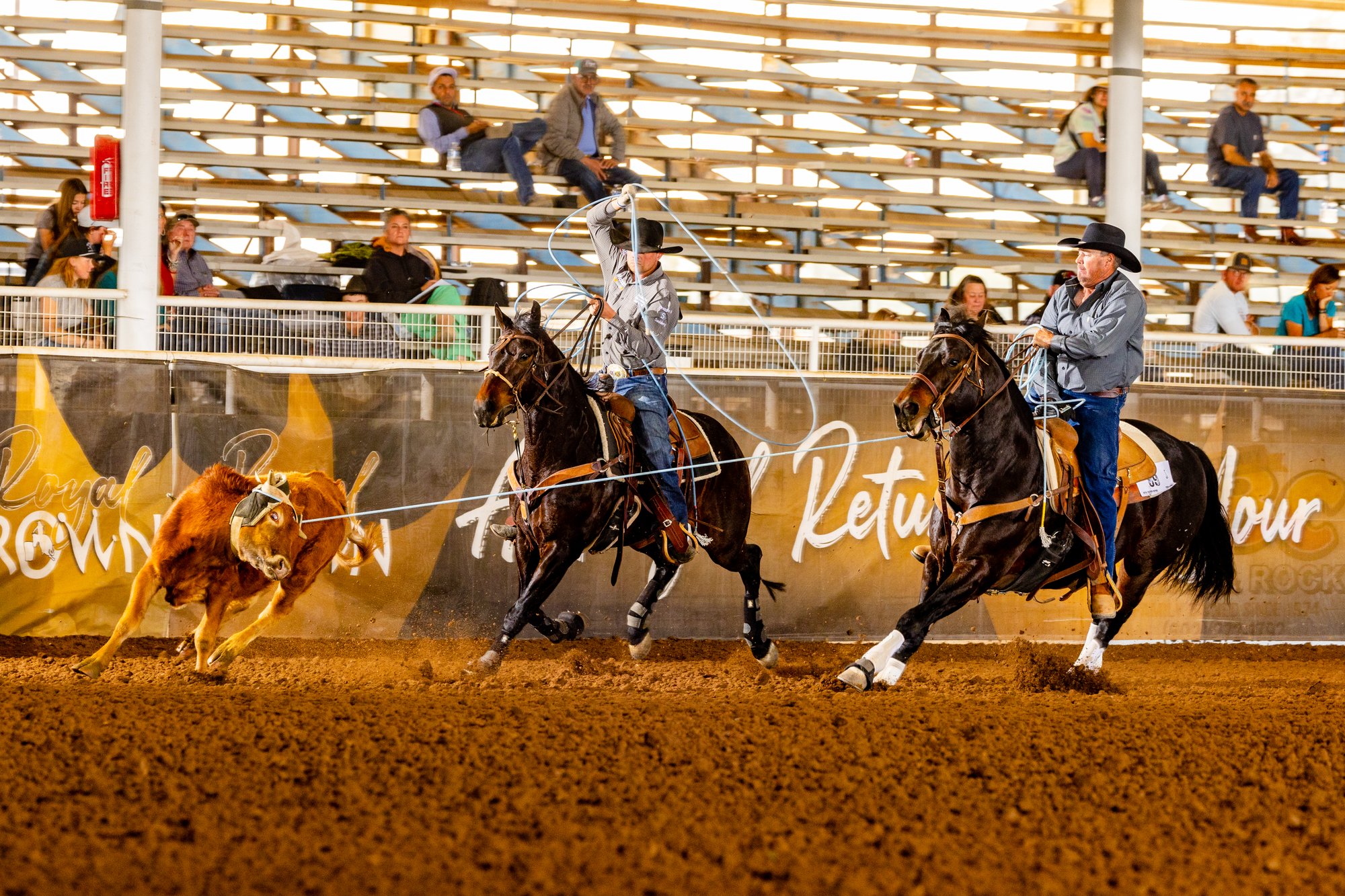
David Moss’s father built high-end custom homes in Utah, including one for Robert Redford at Sundance, and wanted his son in the business. Moss went to veterinary school instead, worked in Ogden and Salt Lake, and built his own clinic in West Haven in 2009. He didn’t start roping until he was about 40.
What put you on the path to veterinary medicine?
I grew up in Utah. We had a farm, and I lived in the city, but every weekend and every chance we got we’d go ride horses. I always wanted to rope, but we couldn’t afford it. My dad had Arabians, and we used to show a stallion he bought—he’d change leads, do stock horse work, like reining. My dad really wanted me to take over the construction business. Somewhere in the mix of things I got lost and went into becoming a veterinarian.
How do you fit roping in around the practice?
I didn’t start roping until I was 40 or so. We bought a horse for 275 bucks for my boy for 4-H, and after 4-H was over somebody told me it used to be a rope horse. There was a practice at the fairgrounds every Monday night, so I started going, and I fell in love with it. It’s cost me a lot of money since. Now I take Tuesday and Thursday mornings off, and I’ve got a roping arena at the clinic. In the winter I take six or seven horses down to Wickenburg—I’m licensed in Arizona too—and rope in the mornings, do vet work in the afternoons.
What’s it like being the veterinarian at the jackpot?
It’s tough sometimes. Three weeks ago I was going to the World Series in Pocatello, had my partners all set up, and I had to call them that morning because an emergency came in. People will have a colicky horse and I try to help them out while we’re there. But one of my pet peeves is when I’m at a roping, or even just practicing, and somebody’s horse has snot running out of his nose and they ride right over to me while I’m on my horse and ask what I think is wrong with him. I don’t want him near my horse.
Tell me about the stud.
I bought Bobby Glo Harlan in May of 2022. He won the world championship heeling with Joseph Harrison in 2020, and Bobby Lewis trained him. We bred 20 or 30 mares between May and July, then I shipped him back to Bobby Lewis and he came back reserve world champion. From February to July we’re booked breeding, so I don’t get to ride him as much as I need to. But I roped on him this morning and he is so cool.
MIDLAND, TEXAS
Bobby Boyd, DVM
PRACTICE
Retired; practiced in Midland, Texas, for 40 years
VET SCHOOL
Texas A&M University, 1976
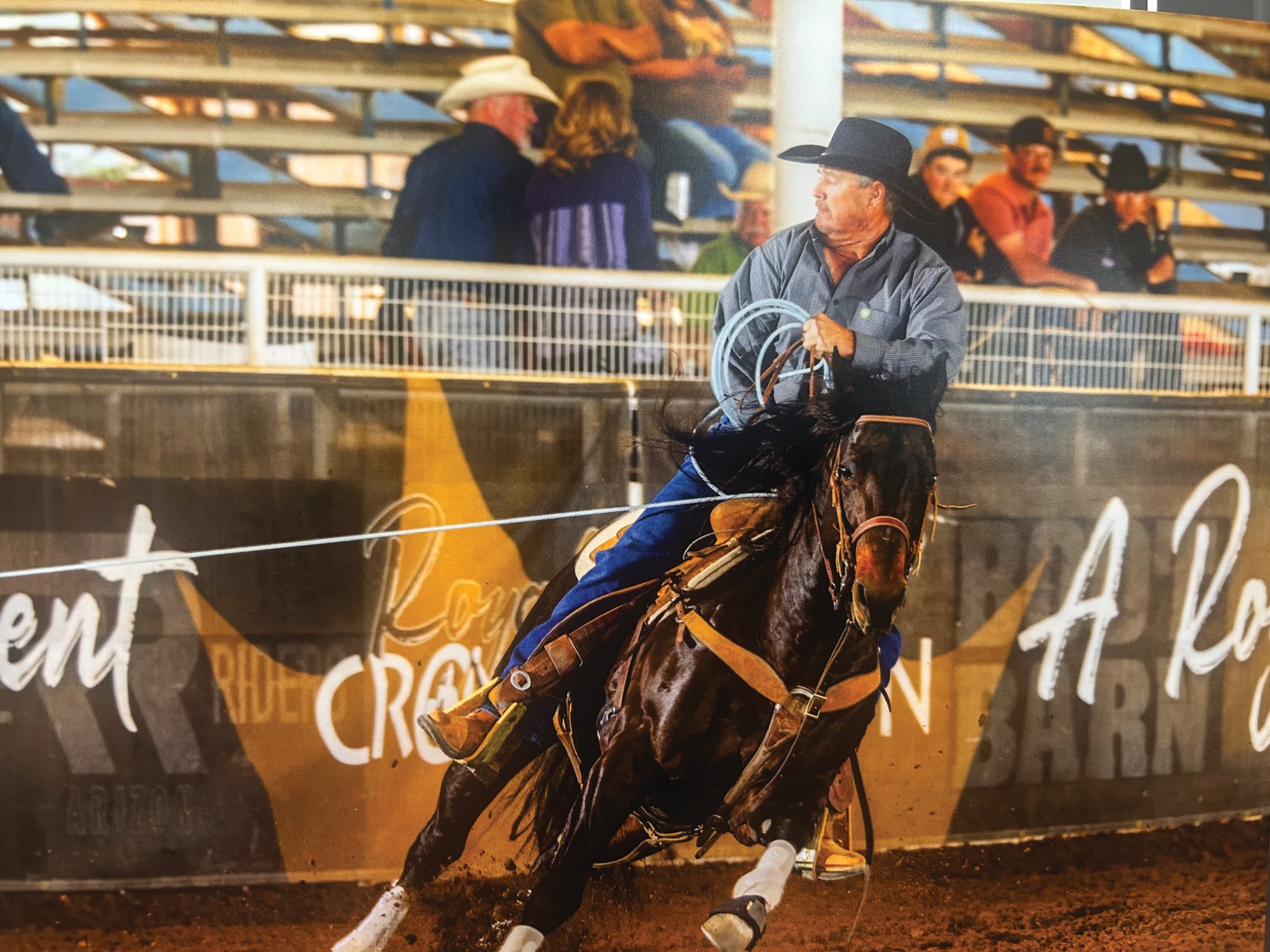
Bobby Boyd grew up in Fort Stockton, Texas, the son of a roughneck, roping calves from the time he was 9. He decided in the sixth grade to become a veterinarian and spent most of his career in small animal medicine. He didn’t take up team roping until his 40s, and he’ll be 74 this year.
What put you on the path to veterinary medicine?
Years ago in school they’d make you fill out a little form about what you wanted your occupation to be. The first one I remember filling out, I was in the sixth grade, and I put down that I wanted to be a vet. I had no exposure to it. I didn’t know why. If I had to pick one thing, a vet saved a dog of mine from strychnine poisoning around that time. But it was just something I wanted to do, and that was the goal from then on.
How do you fit roping in around the practice?
For a long stretch I didn’t. There was a downturn in Midland and I struggled. Veterinary medicine is a retail business—it’s expendable dollars—and I wanted a successful practice, so that took precedent. I sold my calf horse and put my nose down. Then years later I bought about 10 cows and leased a little place, and an old ranch horse to gather them, and a guy told me to come team rope. They had a round robin. I didn’t even know what that was. These gunsels beat me, and something clicked. I said, I’m learning how to team rope, because they’re not going to beat me again. My dad always said you can’t train a horse and learn to rope at the same time, so I found a horse. Everybody said Walt Woodard was the man who could teach you, so I sent him a letter with a hundred-dollar bill in it and asked him to please call me. He called. I took a private lesson and there it went.
What’s it like being the veterinarian at the jackpot?
At a team roping you’re sitting there fixing to go to the box and somebody will go, ‘Hey doc, let me ask you a question.’ If I had my stuff with me I’d do band-aid work, but that’s about all I could do. I still give advice all the time. The other day somebody asked me to look at a sick horse, and I told them you don’t need to be gone in an hour, you need to be gone now. That saved the horse, so I don’t mind in situations like that.
You’ll be 74 this year. How are you still entering?
My physical therapist and I have goals. He knows when the Riata is, and he’s working on the parts of me we need to peak out at that time. Then it’ll be the CoJo, and then we start working on the Finale. A client of mine told me she doesn’t mind getting old, she just doesn’t want to be feeble. That’s what we’re doing—we just refuse to get feeble. People have been telling me forever that I need to slow down. Okay. I won’t ride four horses today. I’ll ride three.
—TRJ—