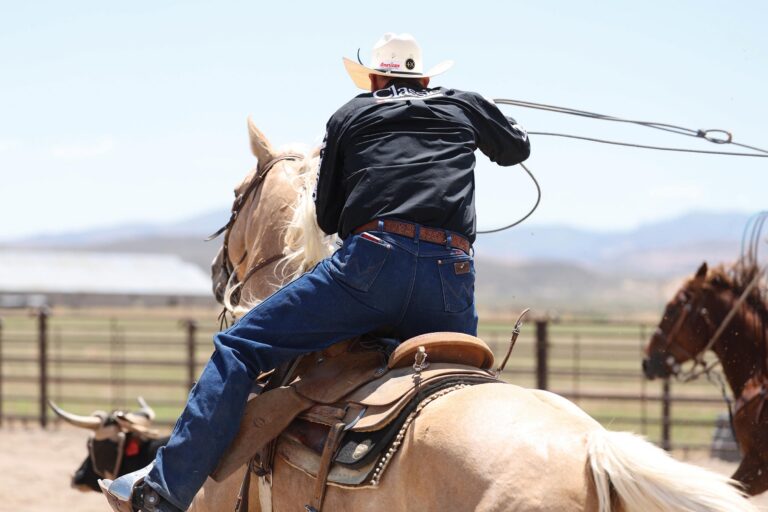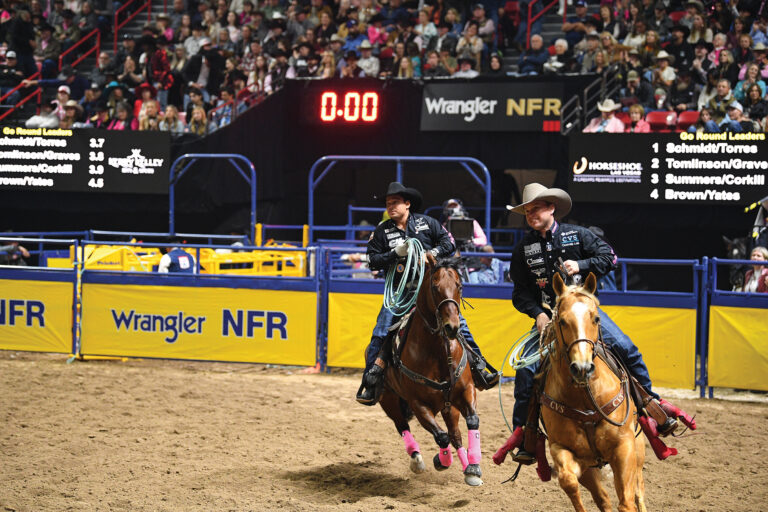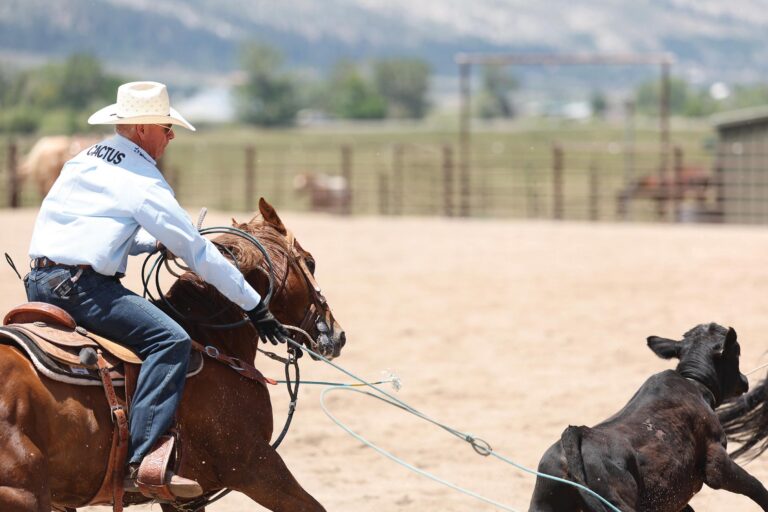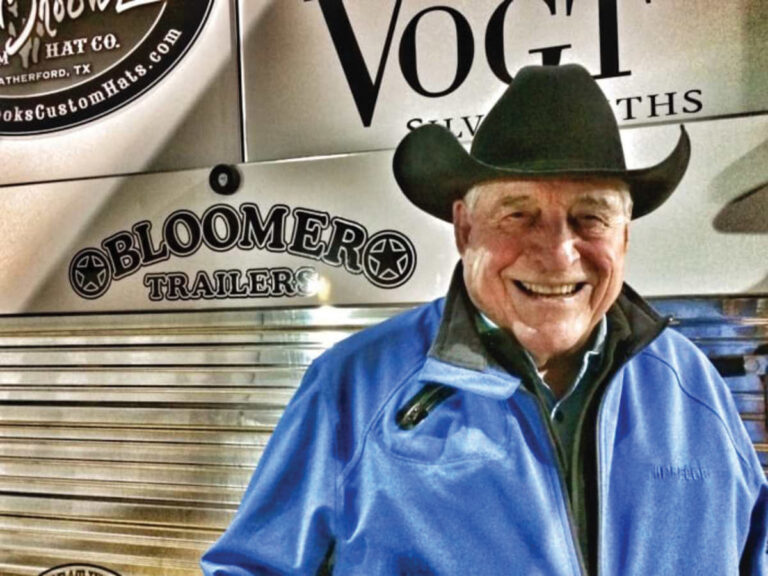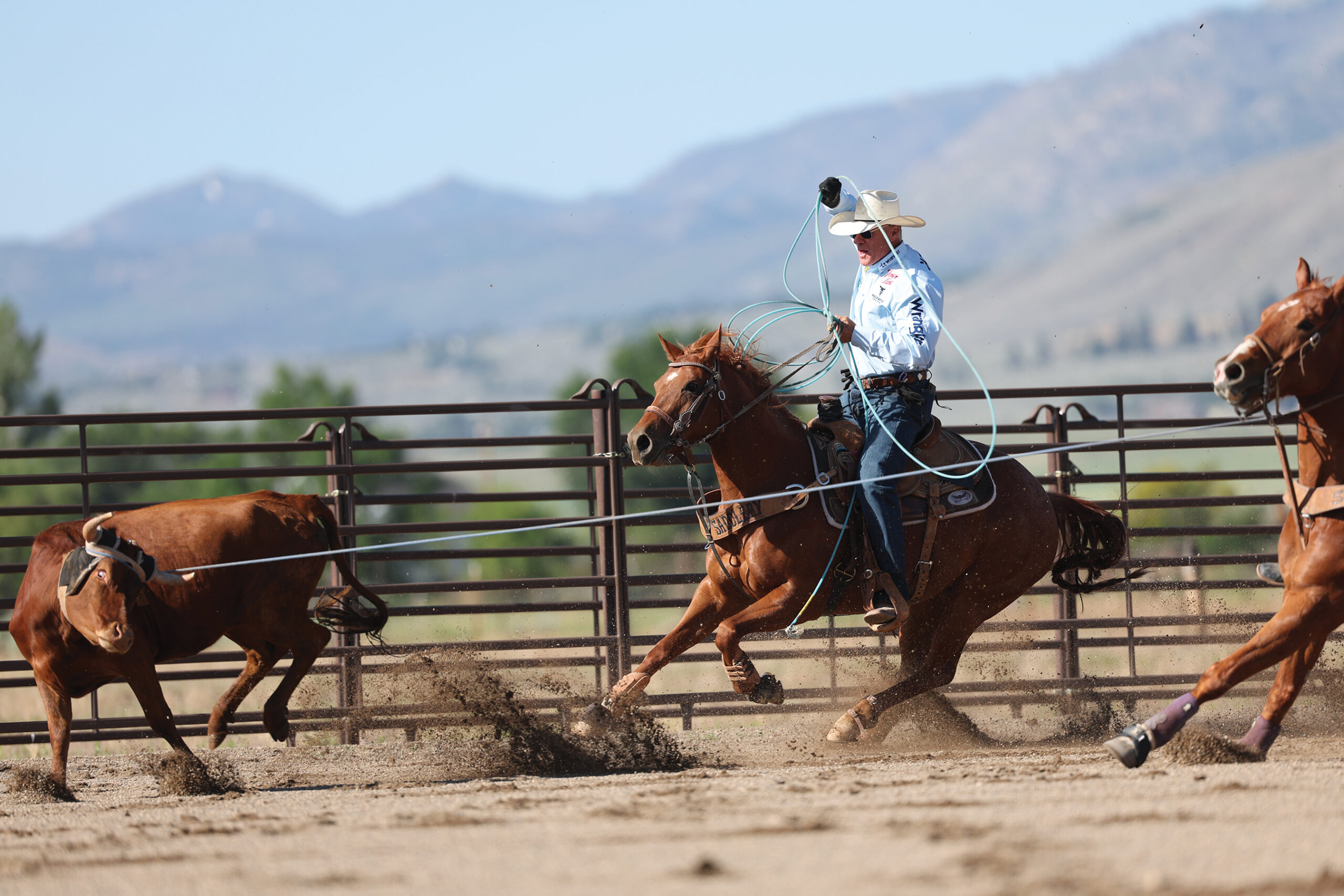
When I was a kid, I didn’t really think about riding position. I just thought about the roping part of it. I think that’s been very common for a lot of ropers over the years, but it’s slowly changing now. The roping futurities and horse shows are making people more aware of horses that are bred good, work good and look good doing it. That comes with a plan and a strategy of how to get them to do all that, which is the riding part and not just roping.
In my own personal evolution, I realized that paying attention to the riding and horse part of the equation was the part that was going to help me the most. That opened up a whole new world to me. It made me start working on being a better horseman. And that process is still going today. It also opened up a whole new world as far as my enjoyment of working with my horses and paying attention to how they’re operating and what my part is causing them to do—how they work good or struggle, based on what I’m doing.
This is something that takes time, information and study. I feel like I’ve come a long way, but I also feel like I have a long way to go, because I’m still learning so much. It seems like every horse teaches me something, because they’re all different. You’re always having to evaluate the relationship between you and each horse, so you can be on the same page and be efficient in what you’re trying to accomplish.
During that changeover time, when this started to happen, I started drilling down more on being at the right place at the right time—in my position coming down the arena, readying for the corner and trying to set up my position and my shot based on the plan of when I’m trying to rope the steer. Whether I was trying to be super aggressive, semi aggressive or just catch played into the plan and affected the signals I gave each horse.
By the end of my full-time rodeo career, I was way better at strategically being in a good spot in the corner than I was years ago, when I was young and aggressive. It’s easy to get in bad spots and have to take tough shots. But as time went on, through trial and error, being more patient and more runs under my belt, I got better at it.
All of your great heelers had that same evolutionary process, on down to the guys who are on top today. They’re technicians on their corner. You rarely see them in a bad spot when they don’t have the opportunity to pull the trigger on a good-position throw.
One of the hardest things about rodeoing, whether you’re a header or a heeler, is being mounted and having a horse that can do the things you need him to do. That’s a hard find, and they’re very expensive. A better-quality horse that’s broke and able to mold with you in your process can make you great. And a bad horse can make a great roper average.
There are different styles of ropers, and we individually find our own position that works for us. Some guys are more aggressive in the corner, and others are more conservative with their position. We learn that process through trial and error, and competing. You just learn a feel for what you like position-wise, how you use your horse and how much you use him. The momentum, the stop and the timing of it all come into play, and are developed over time and a lot of repetition.
One of the most commonly overlooked things is your ability over time to read the play from your header—recognizing when he throws three coils and drops versus one coil and pushes forward, or goes right to the hip and takes the time to set up the run on a fresh steer. Over time, you learn to react your way through those things. You’re seeing it out of the corner of your eye, and you learn how to react.
The best ropers in the world are able to combine these important elements of position, horsemanship, the mechanics of timing and loop throwing. That’s what makes it all come together, and sets them apart from the rest of the crowd.
—TRJ—