


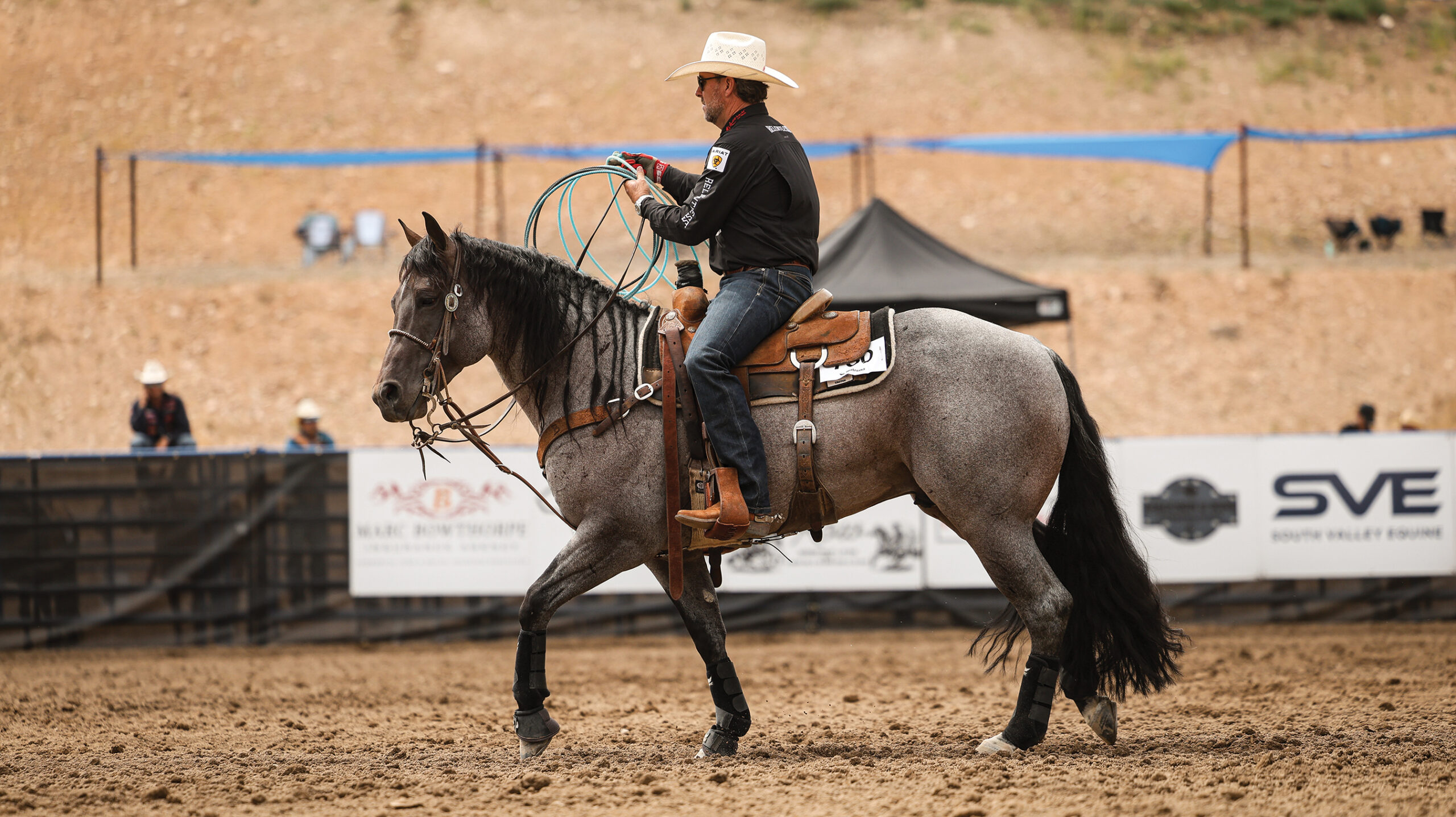
After years of debate inside the American Quarter Horse Association, members and the Board of Directors voted March 16 to repeal the “Two-Year Rule,” a regulation that limited how long frozen genetics from certain horses could be used to produce AQHA-registered foals.
The vote ends one of the most contested breeding policies in recent AQHA history. For the team roping industry—where bloodlines shape breeding programs for generations—the change could significantly influence how breeders plan future crosses and preserve the genetics of influential rope horses.
What the Two-Year Rule Was
The rule applied to stallions and mares foaled in 2015 or later and placed limits on the use of stored genetics after a horse’s death.
Under the rule:
• Frozen semen from a stallion could only be used for two years after the stallion died or was gelded.
• Frozen embryos from a mare could only be transferred for two years after the mare died or was sterilized.
Once that window closed, any remaining frozen semen or embryos could no longer produce foals eligible for AQHA registration.
Supporters originally argued the policy would protect genetic diversity within the American Quarter Horse breed. But critics questioned whether the rule actually addressed the issue it was designed to solve.
Data Presented During the Debate
During the debate surrounding the rule, Melanie Smith of Solo Select Horses, who also serves as an AQHA Director representing the state of Texas, presented data suggesting deceased stallions represent only a small fraction of the breeding population.
According to breeding report data discussed during the meetings:
• 17,549 stallions filed breeding reports in 2024.
• Only 136 of those stallions were deceased, representing less than 1% of the breeding population.
Meanwhile, the concentration among living stallions was far greater.
Data presented indicated:
• 1% of living stallions breed nearly 20% of the industry’s mares.
• 6.3% of stallions bred more than 17 mares each, accounting for 42% of the mares bred.
• Nine stallions account for nearly 5% of all registered foals.
Smith argued those numbers show that concerns about genetic concentration are more closely tied to the heavy use of a small number of active stallions rather than the limited use of frozen genetics from deceased horses.
Understanding the Breeding Numbers
Another issue raised during the debate involved how breeding statistics are reported.
AQHA reports often reference “mares bred,” but modern reproductive technology can make those numbers misleading. Embryo transfer has increased roughly 250 percent since 2015, and each embryo appears as a separate entry in breeding reports.
As a result, a stallion listed as breeding a large number of “mares” may actually represent multiple embryos from the same mare rather than dozens or hundreds of individual horses.
Critics of the rule argued those reporting methods can exaggerate the perception that certain stallions are dominating the breeding pool.
Why the Rule Mattered to Team Ropers
The repeal carries particular significance for the rope horse industry, which is one of the fastest-growing economic drivers within the Quarter Horse world.
“For a long time, ropers were simply the end users of horses that didn’t quite make it in other disciplines,” 26-time PRCA World Champion Trevor Brazile wrote in a letter to the AQHA Stud Book and Registration Committee. “But today that is changing. Ropers are becoming true breeders.”
That shift has helped fuel a growing rope horse economy built around breeding operations, futurities, jackpots, incentives and professional rodeo competition.
But many of the stallions driving that growth are young sires, many of them tied to programs like the Riata, Gold Buckle, Royal Crown and other growing rope horse incentives.
Because those stallions were foaled after 2015, they fell directly under the Two-Year Rule.
If one of those young stallions died unexpectedly, breeders would have had only two years to use any frozen semen before those genetics could no longer produce AQHA-registered foals.
For breeders investing in young rope horse sires, that created a significant risk.
Brazile noted that frozen semen often represents a breeder’s only safeguard if a young stallion dies unexpectedly.
“If a young breeder has a quality stallion that meets an untimely end, having frozen semen stored is often the only thing keeping their business and their dreams from folding,” Brazile wrote.
Younger horsemen building breeding programs voiced similar concerns.
Trainer Miles Baker, who won the AQHA World Title in 2024 upon one of the young stallions affected by the rule—Pride And Joyy—wrote that the rule created major uncertainty for breeders trying to build long-term programs.
“My generation is ready to see the rope horse breeding industry truly take off, but it is incredibly difficult to justify the investment when the rules are stacked against our success,” Baker wrote in his letter to the committee.
With the repeal of the rule, those young stallions—and many of the sires driving today’s rope horse incentives—will no longer face that two-year restriction. Frozen semen can continue to be used beyond that window, allowing their genetics to remain part of breeding programs long term.
Looking Ahead
For team ropers, the repeal will not change what happens in the arena. But over time, it could shape the bloodlines behind the rope horses competing across jackpots, rodeos and futurities.
The rope horse breeding industry continues to expand rapidly as more ropers invest in raising horses specifically bred for the arena—with many of today’s young stallions driving the growth of the market affected by the rule.
READ: A Producer and a Prospect: Two Must-Watch Lots in the Solo Select March Mixed Sale