


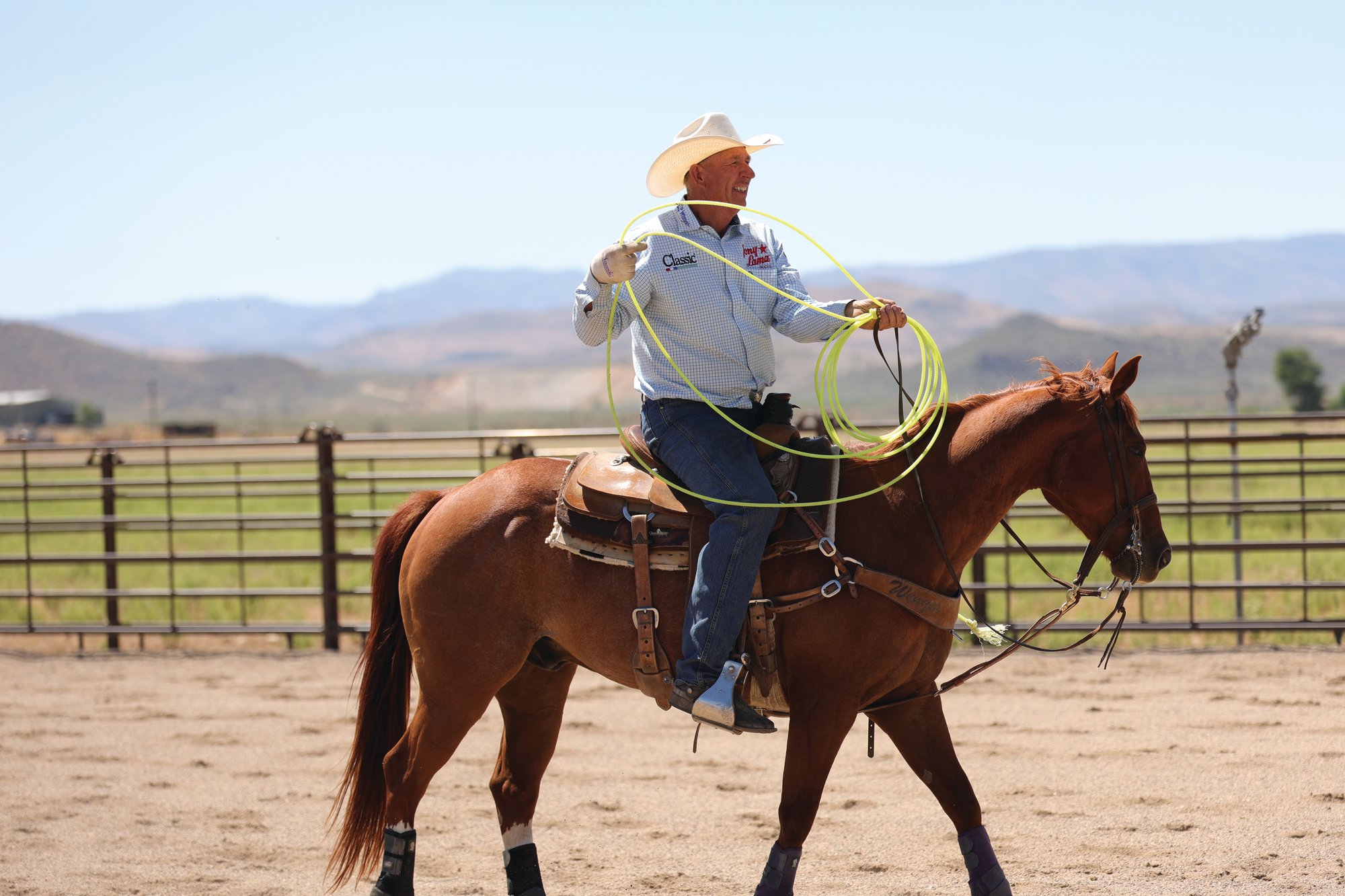
As a green kid growing up in Bloomfield, New Mexico, I didn’t know the difference between a good horse and a bad one. I was in “just back in there and go” mode, and all I could think about was running more steers. I’ve learned a lot about mistakes people make with horses over the years, sometimes the hard way.
Let an Older Horse Teach You
One of the biggest mistakes beginners make is getting young horses, thinking they’ll learn together. Terrible idea. Unless you’re an experienced horse trainer, trying to focus on two things at the same time—your roping and what your horse is going to do—makes it hard to get better at both.
Smart beginners go out and find older horses that know more than they do. Wise move, because that’ll help your roping more than anything while you’re learning.
I grew up in a ranching family, but had no skills whatsoever when it came to training a rope horse. We did what needed done on the ranch, but horsemanship skills weren’t taught or even talked about. I was fortunate to have an RCA calf roper uncle from Clovis, New Mexico (Junior Vaughn was Jake’s mom Tootsie’s brother) who was a horse trader. We bought horses from him, and he knew what I needed.
When I was a kid, calf roping was the big thing where I grew up. My great-uncle, Jake McClure, was a world champion calf roper, so I was originally prepped to be a calf roper. But my dad (Raymond) was a team tyer, so team roping fit our family more, and my dad put on jackpots on Wednesday nights, Sundays and some holidays, like Labor Day.
Back to finding a horse that fits you: One of the things I always tell students at my schools is, “You’re only as good as your horse.” Some people have the wealth to go buy whatever they want. But having a nice horse doesn’t automatically make you a good horseman. And if you don’t know how to keep one working, you’re up a creek without a paddle, even if you start with a nice one.
Learn to Ride Before You Learn to Rope
I strongly suggest people learn some horsemanship skills before they ever try to learn to rope. Take riding lessons from trainers. Find someone who’s trustworthy to help, so you don’t get started on the wrong foot or the wrong horse, because bad habits are hard to break. Invest in your riding and a roping school.
Don’t buy a horse that’s going to get you hurt, a dink that’s bad in the box or won’t rate. Roping on a dangerous horse is no fun, and a horse that’s too high-powered is a big mistake early on.
As you start riding and roping a little better, you can consider a horse with a little more speed as you can handle it. But don’t give a kid a Corvette for his first car. A safe car is the best first car, and the same goes for horses. Those older, beginner-type horses have a lot of value and can be passed down to another kid learning to ride and rope when it’s time for you to upgrade.
Why Great Rope Horses Are Worth the Money
The horse deal really gets hard when you get to the pro level, because it takes a special horse to succeed. A lot of those top horses will have some age on them, too. Look at Clint Summers’ Transmission. He’s still worth his weight in gold. Young ones who are ready for the big trail, like Turtle Powell’s Vegas, are freaks.
The really good ones are as famous as bucking bulls like Red Rock and Bodacious for a reason—they’re that good. I hung my hat on horses like Bullwinkle and Barney. Good horses had everything to do with my success.
There were a lot of wild-goose chases and wasted flights trying to find the next good one, and I sometimes spent good money after bad taking chances on horses that didn’t pan out. But there were no videos to preview horses back then, and there weren’t as many good horses as there are today.
I have never claimed to be a horse trainer. I buy my horses ready to go, and put my finishing touches on them. I’ve never started from scratch. It’s just too time-consuming, and it’s a huge risk, because they don’t all make it. That’s why the good ones are worth the money.
—TRJ—