


Run directly behind a steer and you’re chasing it. Get too wide and your horse never locks on. Five top headers explain where they want to be, from the back of the box to the catch, and why the answer changes with the horse underneath them.
We pulled photos of five headers from the 2026 Riata Pro Futurity and asked them to explain their position and why it works:
Billie Jack Saebens
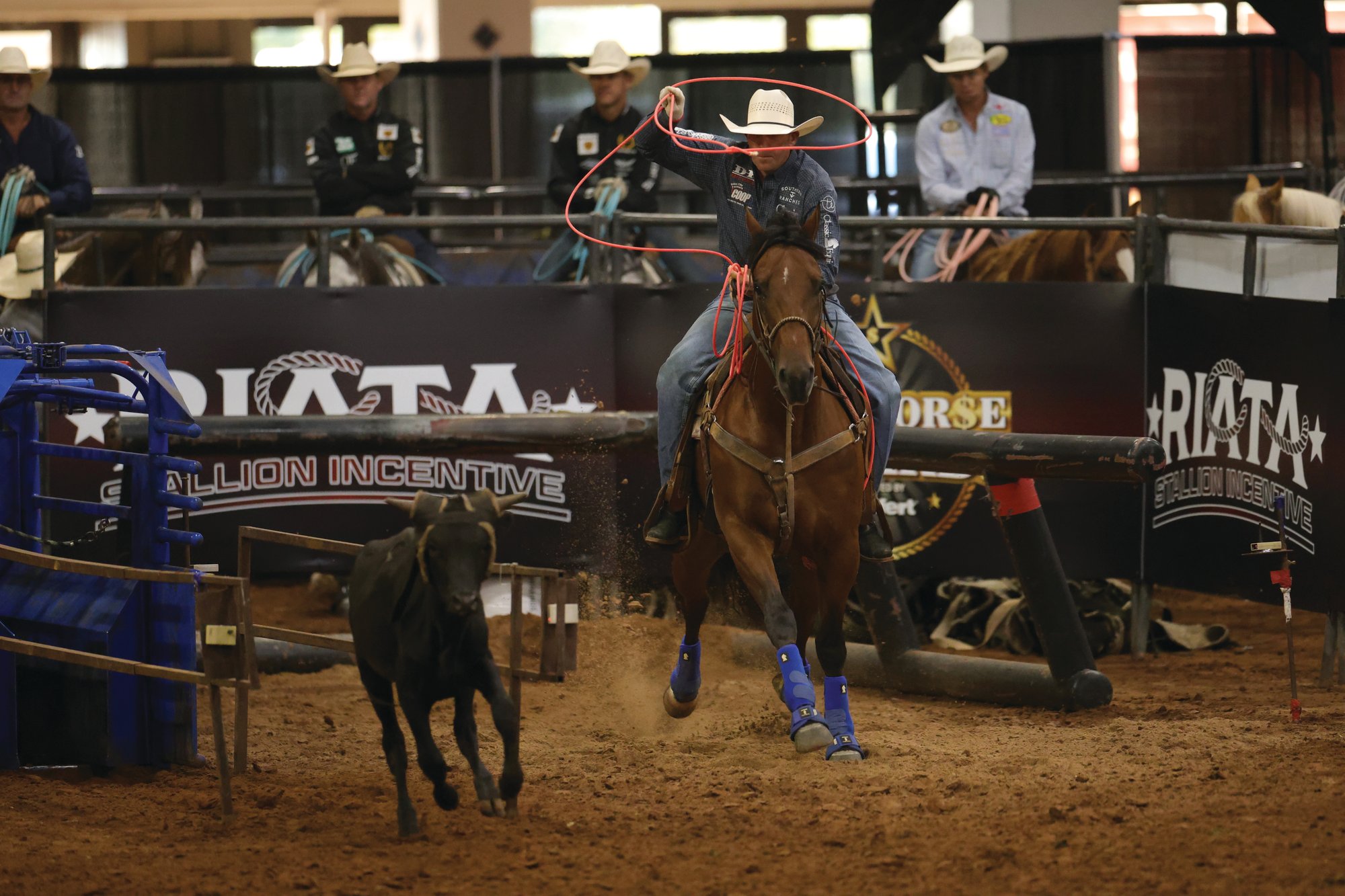
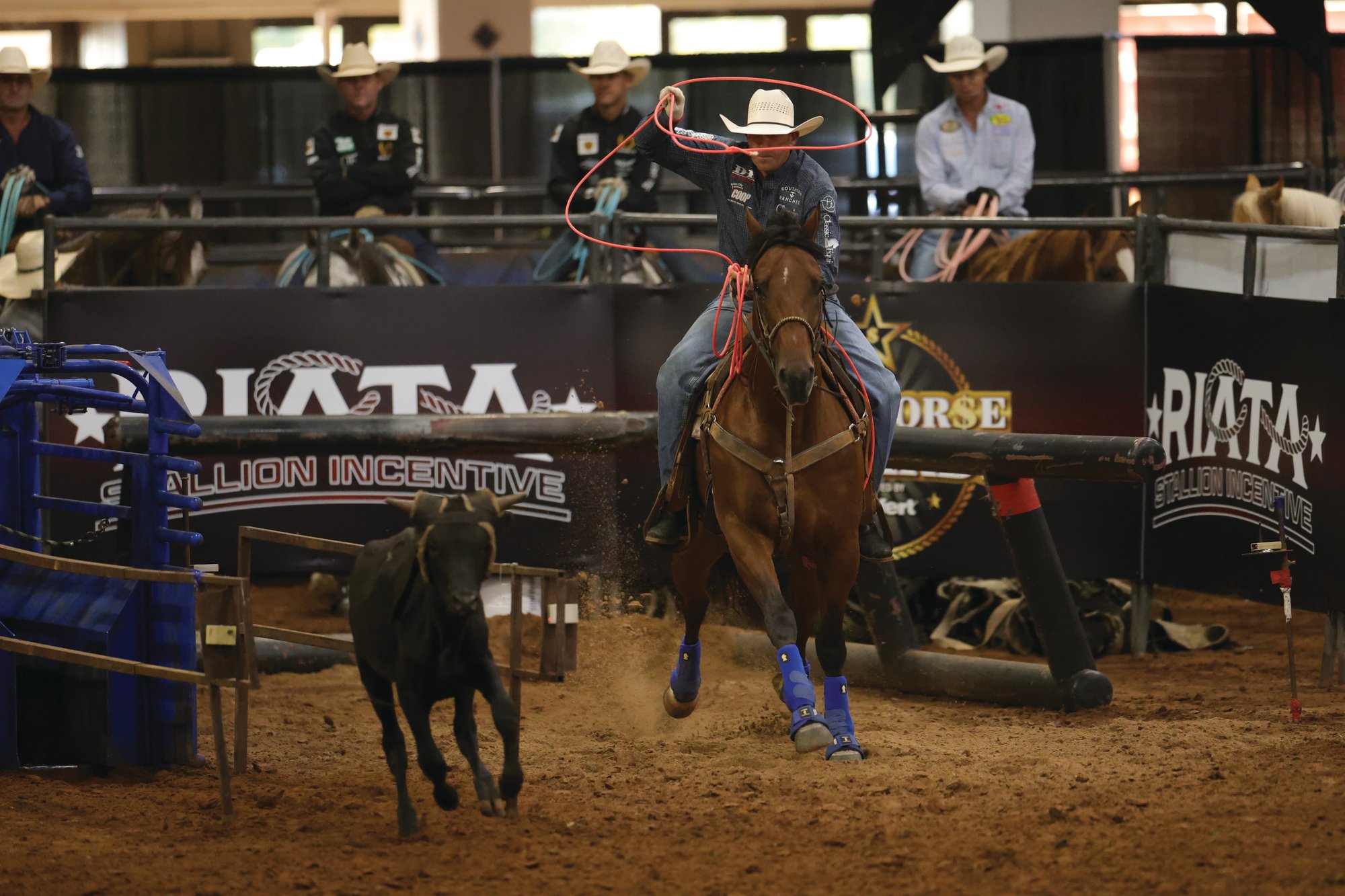
I just want my head horse to break right down the middle, maybe even just a tick to the left of center. Some guys go to the inside more. For me, I like to be outside. I can react to the cow a little bit better. If it steps left, I’ve got room to move over. Then if it goes right, I still feel like I’m at a good enough angle, and I can get there. And then ideally, if the steer goes straight after that, that’s kind of the perfect lane.
Bubba Buckaloo
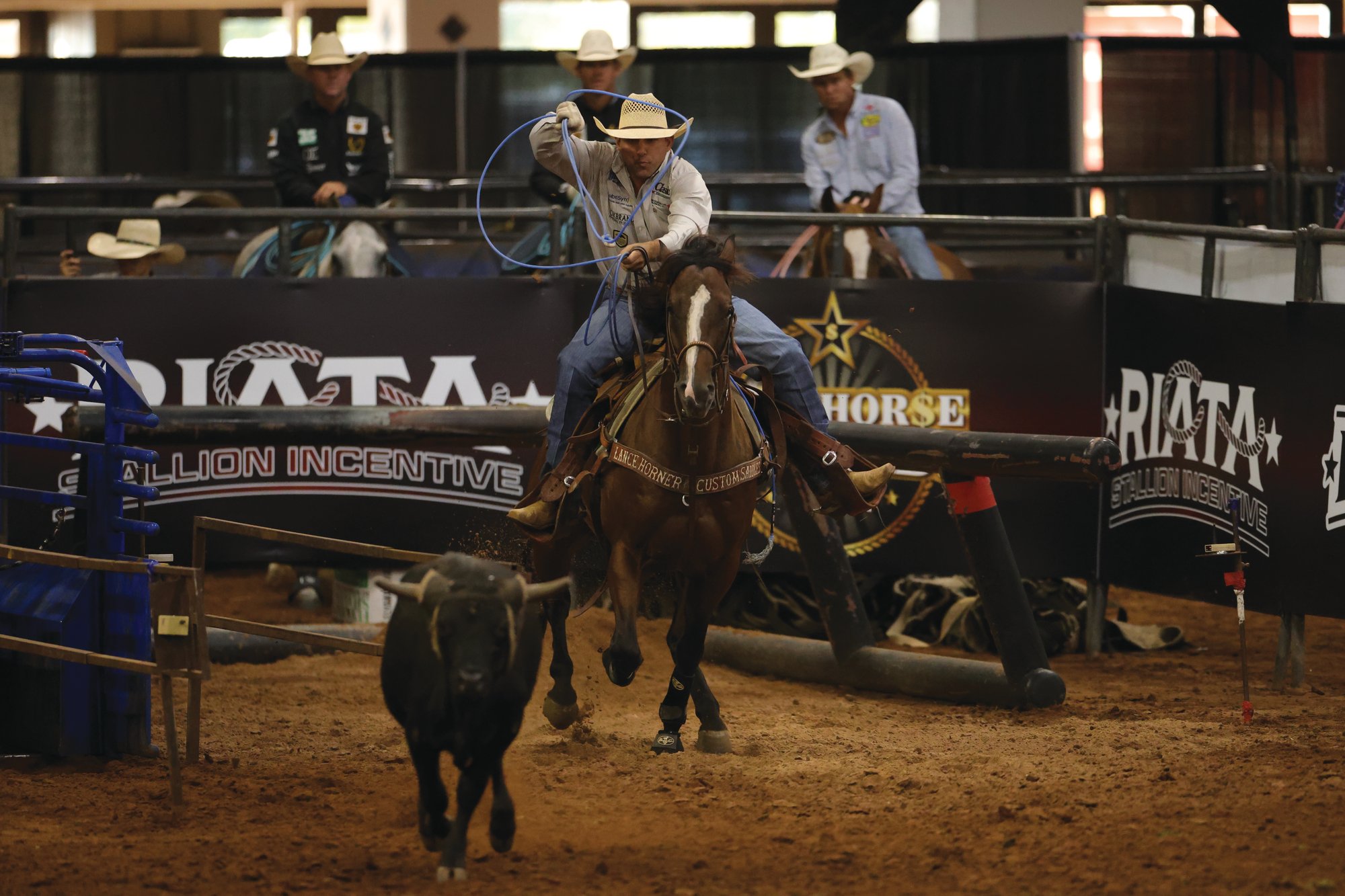
I like to head toward the left hip of the steer, and as I’m gaining on the steer, my horse needs to start widening. Without me having a thumb, if a horse runs narrow, I miss my slack a lot. So it’s really important for a horse to widen and open up for me.
JoJo LeMond
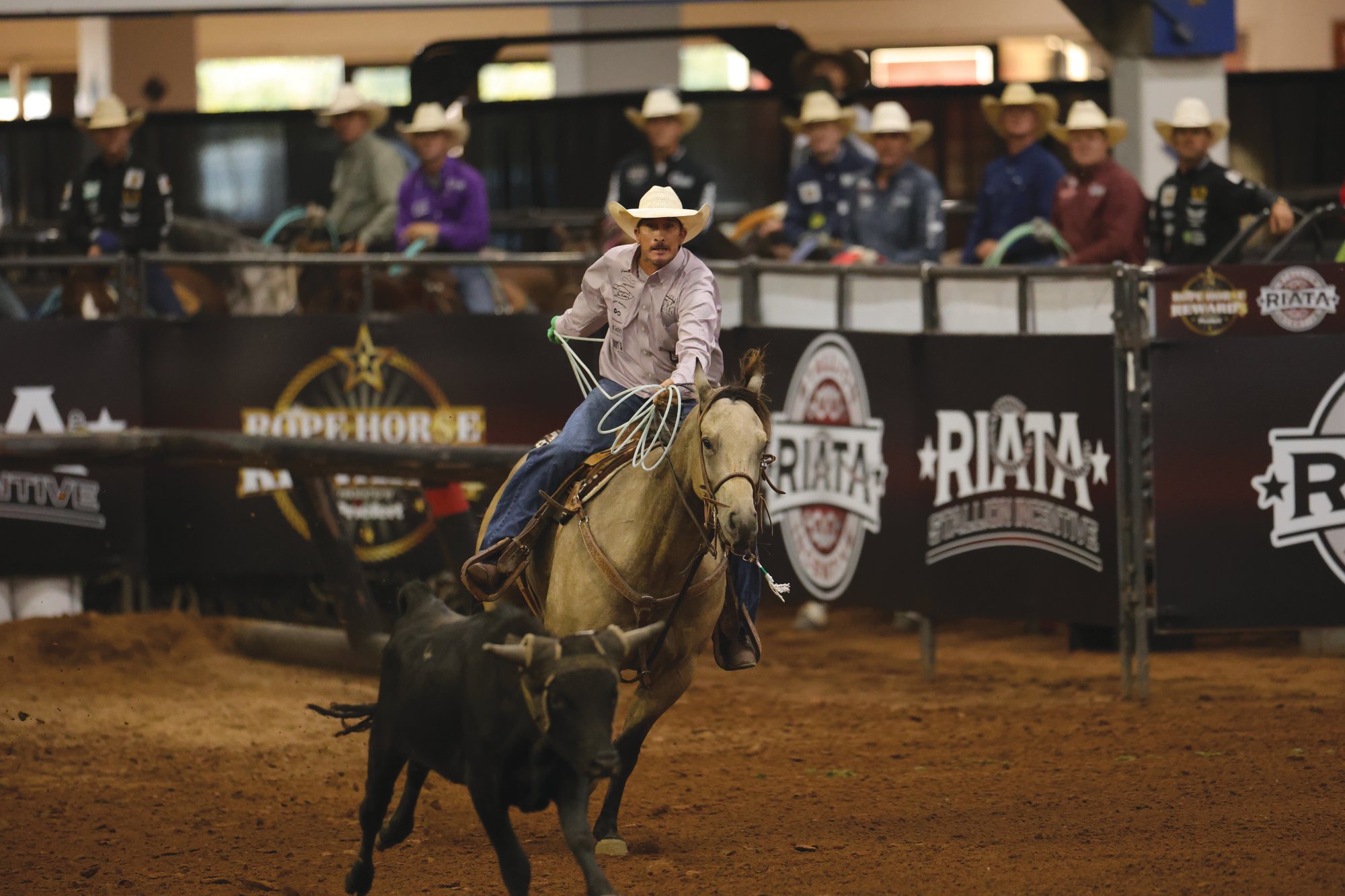
The best way I know to describe it for me is passing a car. If I run up behind them, I have to try to find a way to get around them, so I end up chasing. If I stay too wide, my horse never gets hooked up with the cow, so we are floating. With a horse like this horse in the picture, which is extremely green, I try and cut out as much guessing as possible. He knows to run to the cow but is pretty green on taking ahold of the steer. If I stay in the passing lane, when I catch the horns, I don’t have to speed up to pull the cow. I can hold or slow down and kill the momentum of the steer and not take forever. It doesn’t matter where you go anymore; so many guys rope great. You are going to have to save time where you can to be able to compete.
Chad Masters
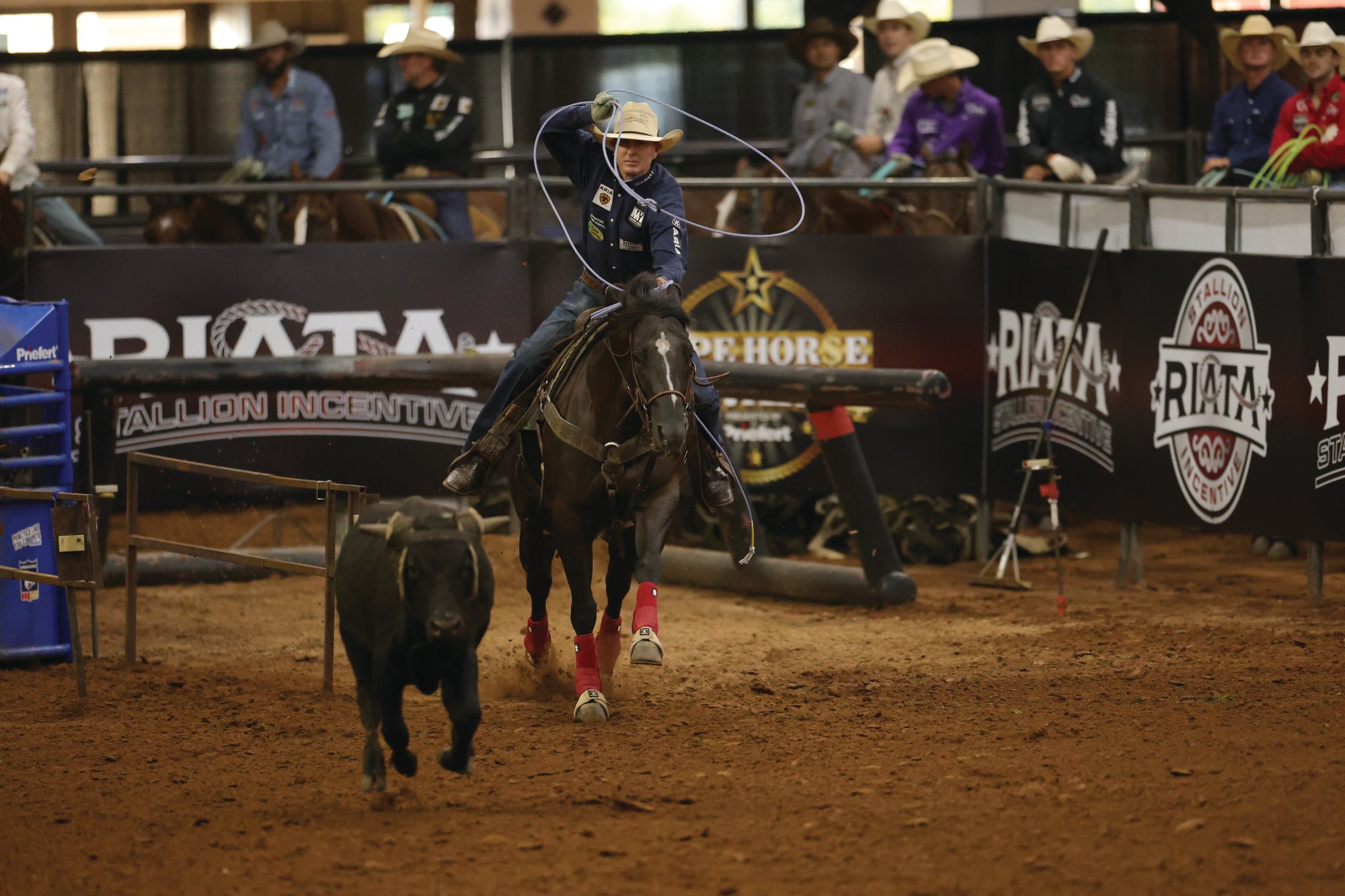
With that age of horse, I would say I ride a tighter lane. When you get to my other horse, he did not want to go toward the cow, so I was worried if he was even going to catch up. Secondly, if he did catch up, would he keep following the cow? So I was trying to run that horse (not this one in the picture) into the cow, so I had some assurance that he got there and reassurance that he was going to at least let me get my slack to dally. So I was choosing a tight lane. He hadn’t been hauled enough to know to go knock their tracks out. But this horse can run. I was not concerned about it. It knows its position, and it knows where it’s going. So you can see my left hand is down—and I like seeing that—because we were just running to the cow and roping on this horse.
Jake Cooper
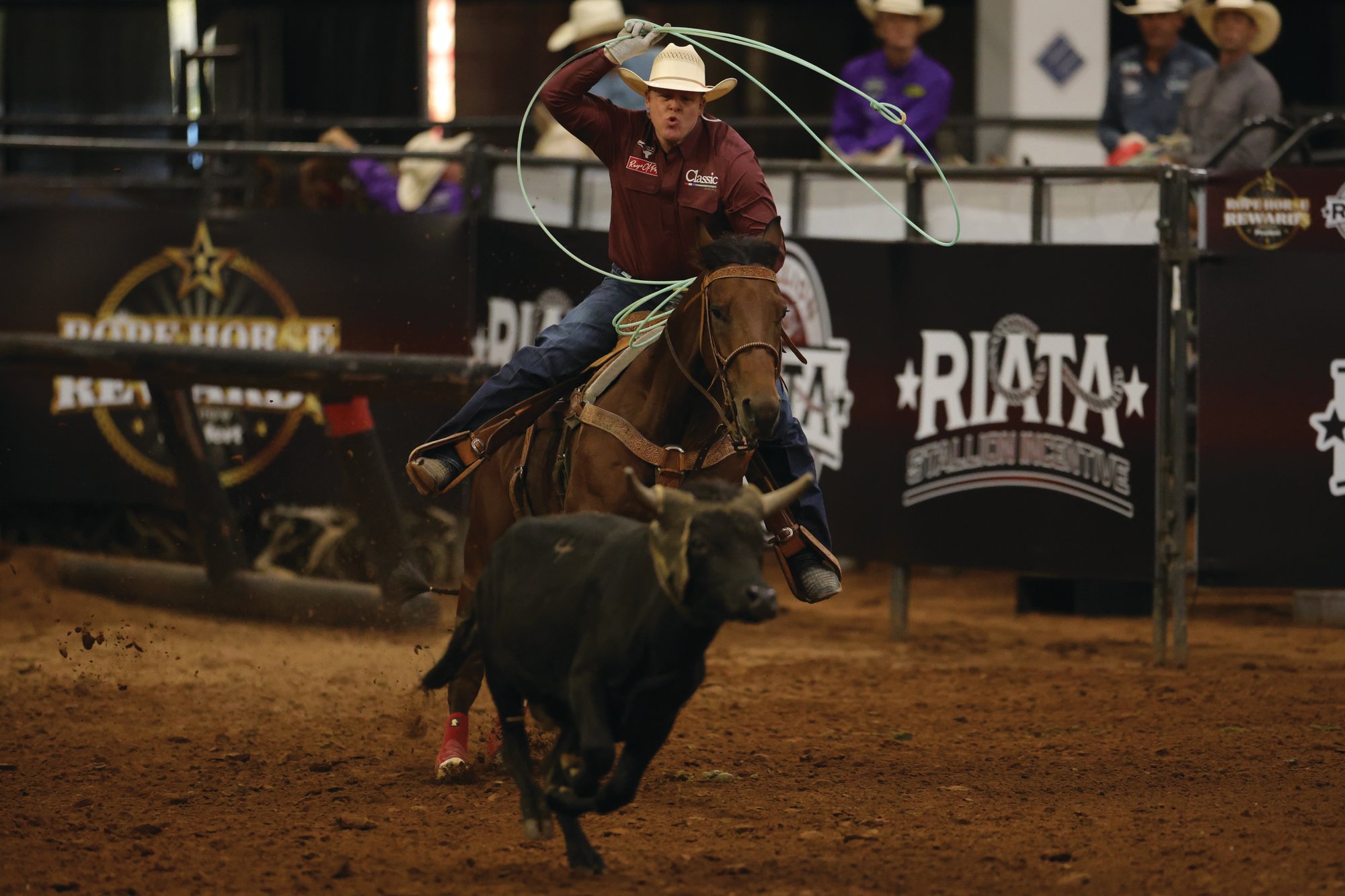
Since I’ve been home riding young horses and going to the futurities and jackpots instead of rodeoing, I tend to be a little narrower than I used to be. I don’t want to be in behind them, but I want to leave the back of the box basically right at the center of the box. And if my steer stays straight or steps right, I don’t want to be riding behind them, but I don’t want to be too wide on those young horses either. We get there by repetition. I guide with my feet and reins but try not to overdo that. I start them on the Smarty and then always keep showing them the right lane I want them in. If a steer goes extreme right or left, then I can help a little, but with intentional practice, I feel like they find the spot you consistently show them most of the time.
—TRJ—
Learn From the Pros
Get step-by-step coaching from the best in the business with hundreds of team roping training videos.
WATCH ON ROPING.COM →